
April 15, 2026

How much does a plumber cost in Sydney? See typical call-out fees, hourly rates, emergency pricing, and what affects the final plumbing bill.

That slow-draining shower might not be a simple bathroom blockage. When multiple fixtures start acting up at once, you could be looking at one of the early signs of sewer blockage – and that is the sort of problem that can get messy fast.
For Sydney homeowners, landlords, strata managers and business owners, the main issue is not just the inconvenience. A blocked sewer line can lead to wastewater backing up into sinks, toilets and floor wastes, along with foul smells and potential property damage. The earlier you catch it, the easier and cheaper it usually is to deal with.
Some plumbing problems stay local to one fixture. A blocked basin trap, for example, might only affect that one sink. Sewer issues are different. Because the main line carries wastewater away from the property, a blockage there often shows up in several places at once.
If the kitchen sink is draining slowly, that could be a local blockage caused by grease or food waste. If the kitchen sink, shower and laundry tub are all draining slowly around the same time, it is a different story.
That pattern often points to a restriction further down the line. In houses across the North Shore and older parts of Sydney, tree roots, collapsed sections of pipe and built-up waste are all common causes. One slow drain can wait a day or two. Several slow drains at once should not.
A gurgling toilet is one of the classic signs of sewer blockage. You might hear bubbling in the bowl when the washing machine empties, when the shower drains, or when a nearby sink is used.
That noise usually means air is trapped in the line and being pushed back through the system. It is the plumbing trying to tell you wastewater is not moving freely. If that gurgling starts suddenly, especially in combination with slow drains, it is worth getting checked before it turns into a full backup.
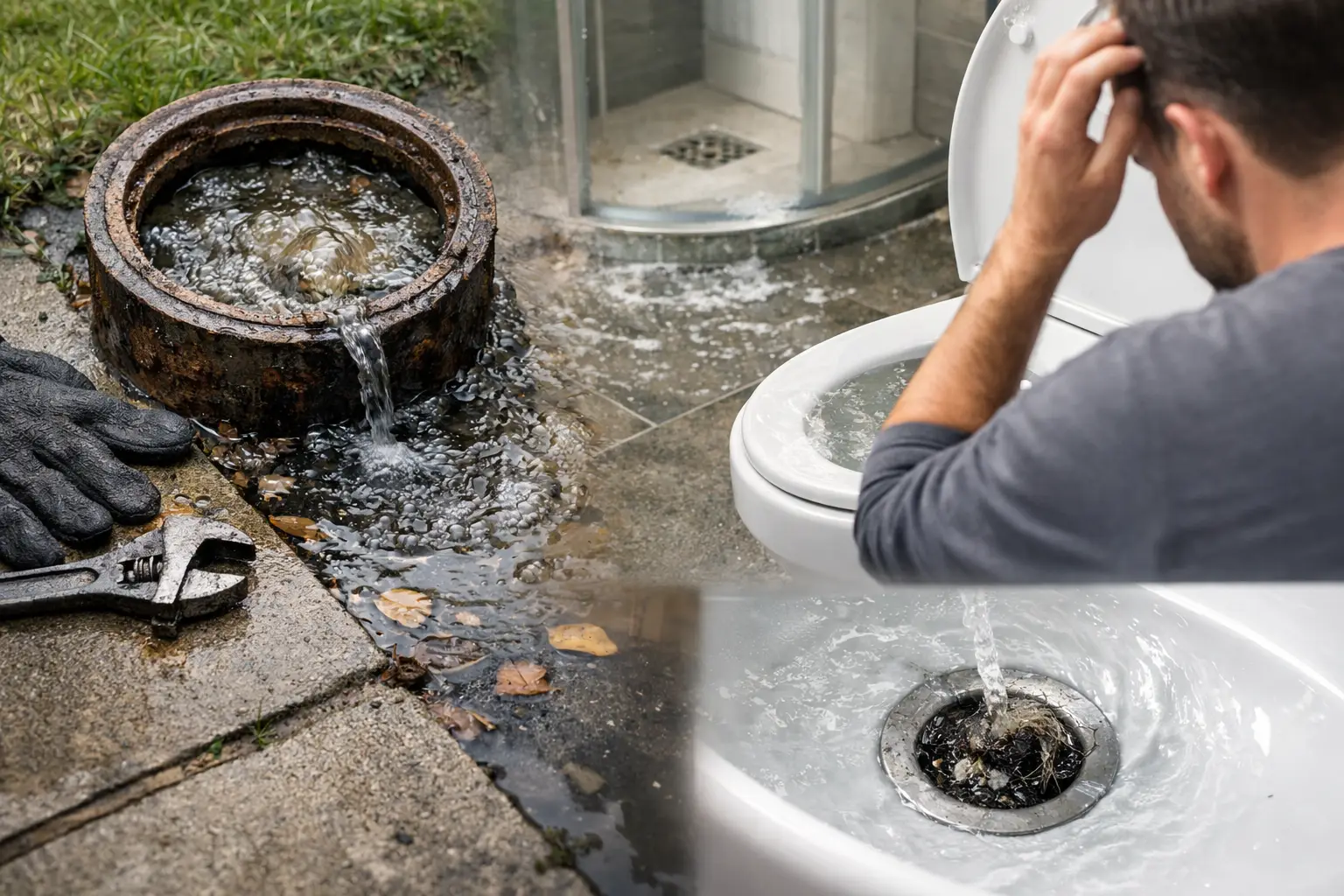
This is a big red flag. If you flush a toilet and water appears in the shower tray, or the floor waste starts filling during normal use, the system is struggling to clear wastewater properly.
This often happens because the lowest point in the house becomes the first place the backed-up water can escape. In bathrooms, laundries and some commercial premises, that means the floor waste or shower drain. Once sewage starts coming back inside, it becomes a hygiene issue as well as a plumbing one.
A brief smell from a drain can happen from time to time, especially if a rarely used waste has dried out. Persistent foul odours are different. If there is a strong sewage smell around sinks, bathrooms, the laundry, or outside near inspection points, it may mean wastewater is sitting in the line instead of flowing away.
Smells alone do not always confirm a sewer blockage. Sometimes there is a venting issue or a local trap problem. But if the odour is strong, recurring and paired with any other symptom on this list, it is time to act.
Many Sydney properties have an inspection shaft or opening in the yard. If you notice wastewater pooling around it, or the area nearby is unusually wet and smells unpleasant, the sewer line may be blocked downstream.
This is one of the clearer signs because the system is effectively spilling out before the wastewater can reach the main sewer. It is not something to ignore or try to wash away with a hose. Sewage on the property can create health risks, especially for kids, pets and anyone moving through the area.
A plunger or supermarket drain product might give temporary relief to a minor internal blockage. But if the toilet blocks again next week, the shower keeps draining slowly, or the same bathroom has repeated issues, the real problem may be deeper in the sewer line.
Recurring blockages usually mean the cause has not been properly cleared. Tree roots are a common example. They can enter cracked pipes, catch debris and keep growing until the line blocks again and again. In those cases, a proper inspection is more useful than another short-term fix.
Not every sewer issue starts indoors. Sometimes the first clue is outside the home or building. You might notice soggy patches on the lawn, a section of garden that suddenly looks greener than the rest, or unpleasant smells around the yard even when no fixture is being used.
That can happen when a damaged or blocked sewer line is leaking underground. It depends on the location of the pipe and how severe the blockage is, but outdoor warning signs should always be taken seriously, especially if they line up with indoor drainage problems.
The answer depends on the age of the property, the type of pipework and what has gone down the drains over time. In many Sydney suburbs, tree roots are high on the list. Older earthenware pipes are especially vulnerable because joints can shift and crack, giving roots an easy way in.
Grease, wipes, sanitary products and other non-flushable items also cause plenty of trouble. Even products labelled flushable can build up in the line. In commercial settings, heavy use and poor waste habits can make blockages develop faster.
There are also structural issues to consider. A pipe can collapse, sag, or become misaligned. When that happens, wastewater slows down, solids collect, and blockages start forming more regularly. This is why the best fix is not always the same. Sometimes a clean-out solves it. Sometimes you need a camera inspection to find the actual cause.
If you are seeing one isolated symptom, such as a single slow basin, you may be dealing with a minor local blockage. If you have two or more of the signs of sewer blockage at the same time, it is usually best to call sooner rather than later.
The situations that need faster attention are obvious once you know what to look for – sewage smells indoors, wastewater backing up into showers or floor wastes, gurgling toilets across the property, or overflow outside. Those are not watch-and-wait problems.
For landlords and strata contacts, speed matters even more. Sewer issues can affect multiple occupants, create hygiene concerns and lead to damage complaints if left unresolved. For businesses, especially cafés, shops and small commercial sites, drainage problems can quickly become an operational problem.
There is a place for basic maintenance, but sewer blockages are rarely solved with a quick chemical treatment. Off-the-shelf products may shift a bit of soft build-up near the fixture, but they will not remove tree roots or repair damaged pipework. In some cases, they can even make the situation harder to diagnose.
A proper plumbing assessment usually involves testing the affected fixtures, checking the line condition and, where needed, using drain clearing equipment or a CCTV camera to see what is actually happening. That gives you a clear answer instead of guesswork.
For local properties, especially older homes around Sydney, that matters. You want the blockage cleared properly, but you also want to know why it happened and whether it is likely to come back.
The difference between an early callout and an emergency job is often timing. A partially blocked sewer line may give you warning signs for days or weeks before it completely backs up. Once that happens, the cleanup is bigger, the disruption is worse and the cost can climb.
If something feels off with your drains, trust that instinct. A quick check by a licenced plumber can confirm whether you are dealing with a local blockage or something more serious in the sewer line. At JET Plumbing, we always prefer catching problems early, before a bad smell turns into a much bigger mess.
If your toilets are gurgling, your drains are slowing down, or wastewater is showing up where it should not, do not put it in the too-hard basket. Getting it sorted early is usually the simplest path forward.
How much does a plumber cost in Sydney? See typical call-out fees, hourly rates, emergency pricing, and what affects the final plumbing bill.
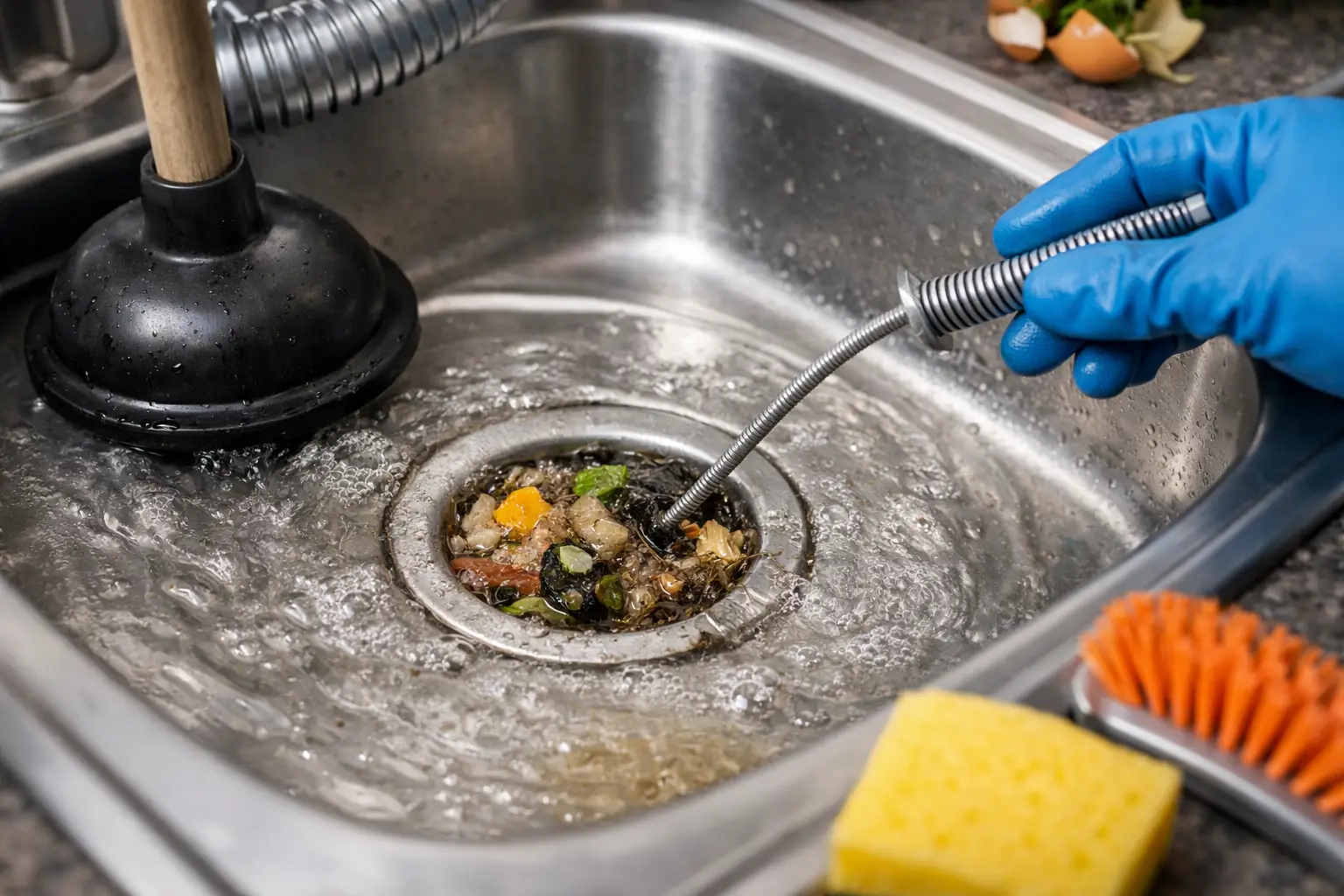
Learn what causes blocked drains, from grease and tree roots to wipes and stormwater issues, and when to call a Sydney plumber fast.
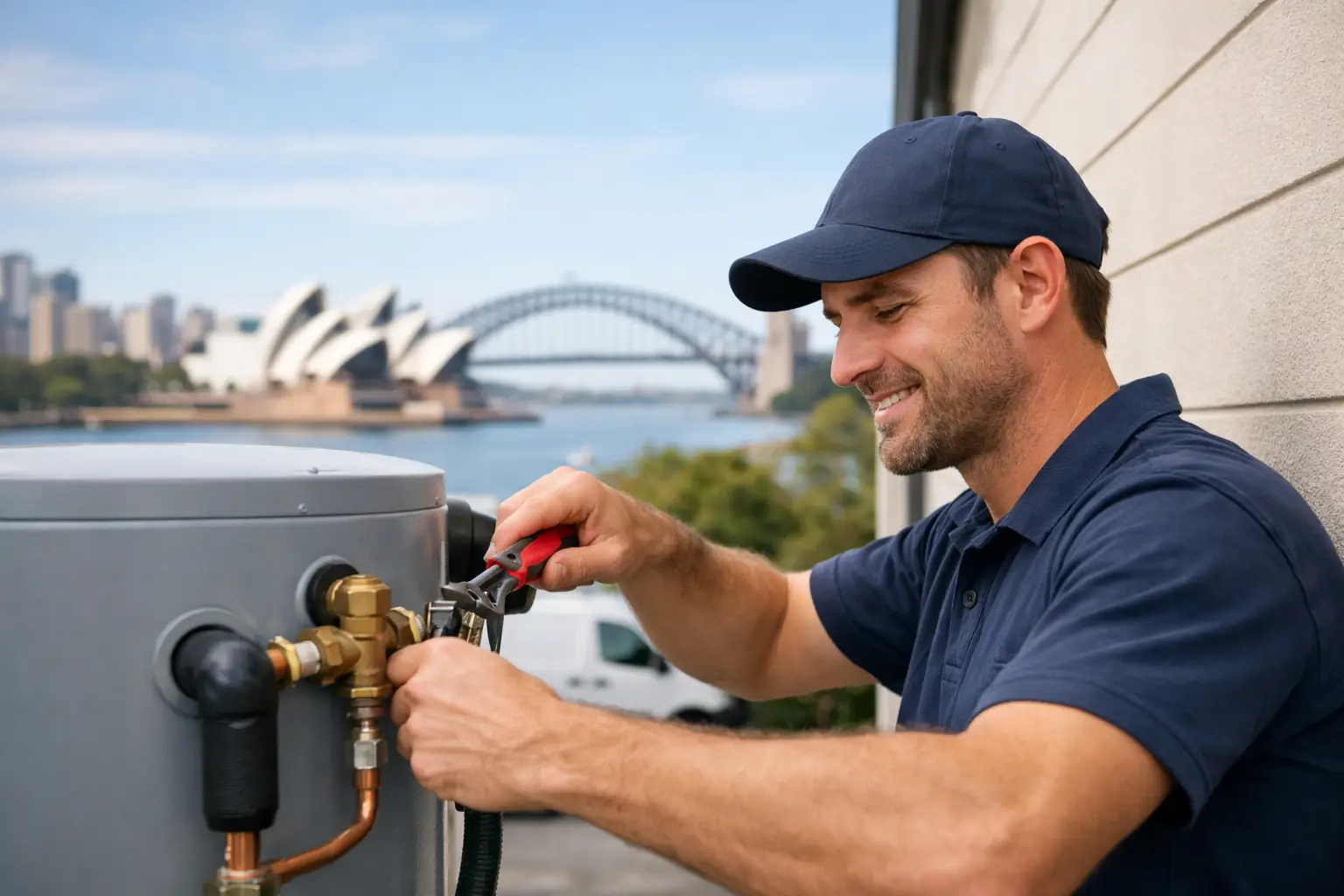
Wondering who installs hot water systems in Sydney? Learn which licensed trades can do the job and what to check before booking installation.