

As long as you have a hot water system installed, you need a tempering valve. In fact, your hot water system performs at its best because of a hot water tempering valve. A tempering valve plays a critical role in maintaining safe and consistent water temperatures in your home. With proper knowledge on how to adjust a tempering valve, you can ensure the safety of your family, prevent scalding, and optimise the performance of your hot water system. This comprehensive guide will walk you through the adjustment process, explain how tempering valves work, and highlight when to seek professional assistance from Jet Plumbing.
What Is a Tempering Valve and How Does It Work?
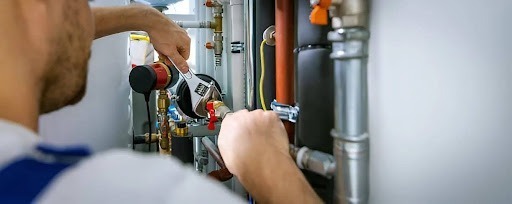
A tempering valve is a device designed to mix hot and cold water to deliver water at a safe, consistent temperature. Typically installed in hot water systems, it ensures that the water temperature remains within the recommended range of 50 to 60 degrees Celsius. The tempering valve is commonly used in residential plumbing to prevent scalding while maintaining water temperatures high enough to minimise harmful bacteria like Legionella.
The Role of a Thermostatic Mixing Valve
A thermostatic mixing valve is a type of tempering valve that uses a thermostatic element to control the temperature of the water flowing from your hot water outlets. This valve operates by blending hot and cold water to deliver water at a temperature that’s both safe and comfortable. Thermostatic mixing valves are essential for compliance with plumbing regulations and ensuring the water supply is safe for use.
Signs Your Tempering Valve May Need Adjustment

If your hot water system isn’t delivering water at the desired temperature, it could indicate that your tempering valve requires adjustment. Here are some common signs:
- Fluctuating Water Temperature: Inconsistent water temperature at your taps is a clear indicator that the valve needs attention.
- Extremely Hot Water: If the water temperature exceeds 60 degrees, it poses a scalding risk and may signal a faulty tempering valve.
- Low Water Temperature: Water that’s too cold could mean the valve isn’t mixing hot and cold water properly.
At Jet Plumbing, we specialise in diagnosing and resolving issues with tempering valves, ensuring your hot water system operates efficiently.
How to Adjust a Tempering Valve: A Step-by-Step Guide
Step 1: Locate the Tempering Valve
The tempering valve is typically found near your water heater or hot water tank. It’s a small device with three inlet connections: one for hot water, one for cold water, and one for the mixed water supply. The valve is often colour-coded, with blue, green, or orange caps indicating the type of valve.
Step 2: Check the Current Water Temperature
Use a thermometer to measure the water temperature at the nearest tap. This will help you determine whether the valve adjustment is necessary. The recommended maximum temperature for hot water outlets is 50 degrees Celsius to prevent scalding.
Step 3: Adjust the Tempering Valve
Locate the adjustment screw on the tempering valve. Using a screwdriver, turn the screw clockwise to increase the hot water temperature or anticlockwise to lower it. Make small adjustments and test the water temperature after each change to reach the desired temperature.
Step 4: Test the Water Flow
Run the tap for a few minutes to ensure the water temperature remains consistent. If the temperature fluctuates or doesn’t reach the desired level, the valve may be faulty and require replacement.
If the adjustment is too complex for you or you need a replacement of faulty valves, contact Jet Plumbing for professional assistance.
Types of Tempering Valves
Standard Tempering Valves
These valves are commonly used in residential plumbing and are designed to mix hot and cold water to deliver water at a safe temperature. They are reliable and cost-effective solutions for most households.
Thermostatic Mixing Valves
Thermostatic mixing valves offer more precise temperature control by using a thermostatic element. They are ideal for homes with vulnerable individuals, such as children or the elderly, who are more susceptible to scalding.
Solar and Heat Pump-Compatible Valves
Specialised tempering valves are available for solar hot water systems and heat pump water heaters. These valves are designed to handle the unique temperature fluctuations associated with these systems.
Why Tempering Valve Compliance Matters

Tempering valve regulations are in place to ensure the safety and efficiency of your hot water system. In Australia, plumbing standards require hot water outlets to deliver water at a maximum of 50 degrees Celsius to prevent scalding. Compliance with these regulations is essential for maintaining a safe home environment.
Jet Plumbing can help ensure your tempering valve meets all regulatory requirements, providing peace of mind and reliable performance.
Troubleshooting Common Tempering Valve Issues
Faulty Valve
A faulty tempering valve can lead to inconsistent water temperatures or complete failure to mix hot and cold water. In such cases, the valve may need to be replaced.
Blockages
Mineral buildup or debris in the water supply can obstruct the valve’s operation which can lead to blocked drains. Regular maintenance and cleaning can prevent blockages and extend the valve’s lifespan.
Incorrect Valve Setting
If the valve is set incorrectly, it may not deliver water at the desired temperature. Adjusting the valve according to the steps outlined above can resolve this issue.
For persistent problems, trust Jet Plumbing to provide expert plumbing solutions tailored to your needs.
Maintaining Your Tempering Valve for Longevity
Regular Inspections
Inspect your tempering valve annually to ensure it’s functioning correctly. Look for signs of wear or damage and test the water temperature regularly.
Professional Servicing
Schedule professional servicing with us to identify and address potential issues before they escalate. Our experienced plumbers can ensure your hot water system operates safely and efficiently.
Replacing Old Valves
Tempering valves typically last 5-8 years. If your valve is older or showing signs of failure, consider replacing it to maintain optimal performance.
Ensuring Safe and Reliable Hot Water
Adjusting a tempering valve is a straightforward process that can enhance the safety and efficiency of your hot water system. Now that you understand how tempering valves work and you know how to recognise the signs of potential issues, you can maintain a safe water temperature and prevent scalding. In addition, regular maintenance and professional servicing are essential for compliance with plumbing regulations and the longevity of your system.
If you’re experiencing issues with your tempering valve or need assistance with adjustments, Jet Plumbing is here to help. Our team of skilled plumbers provides expert services to ensure your water system operates flawlessly. Contact us today for reliable plumbing solutions made just for you.