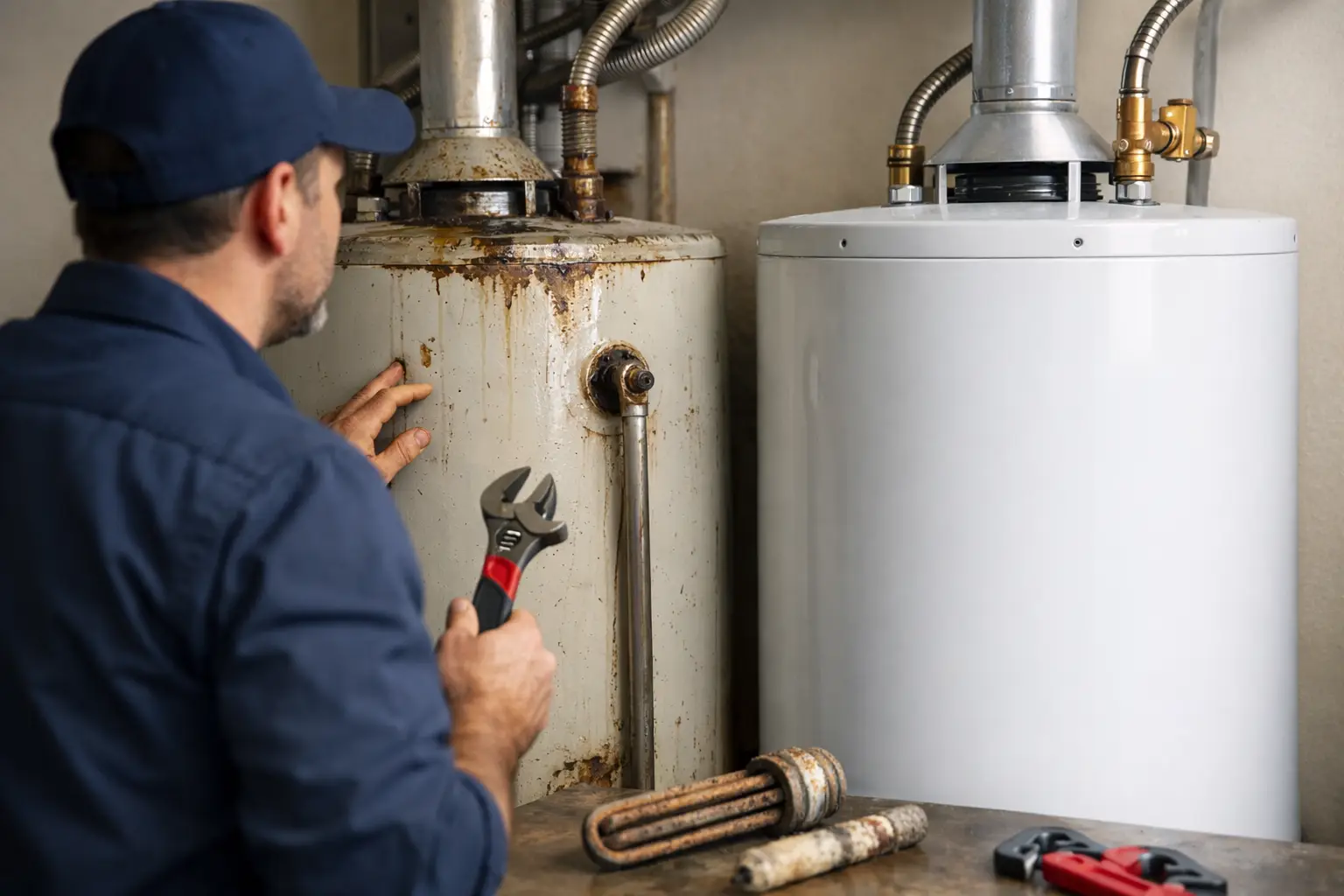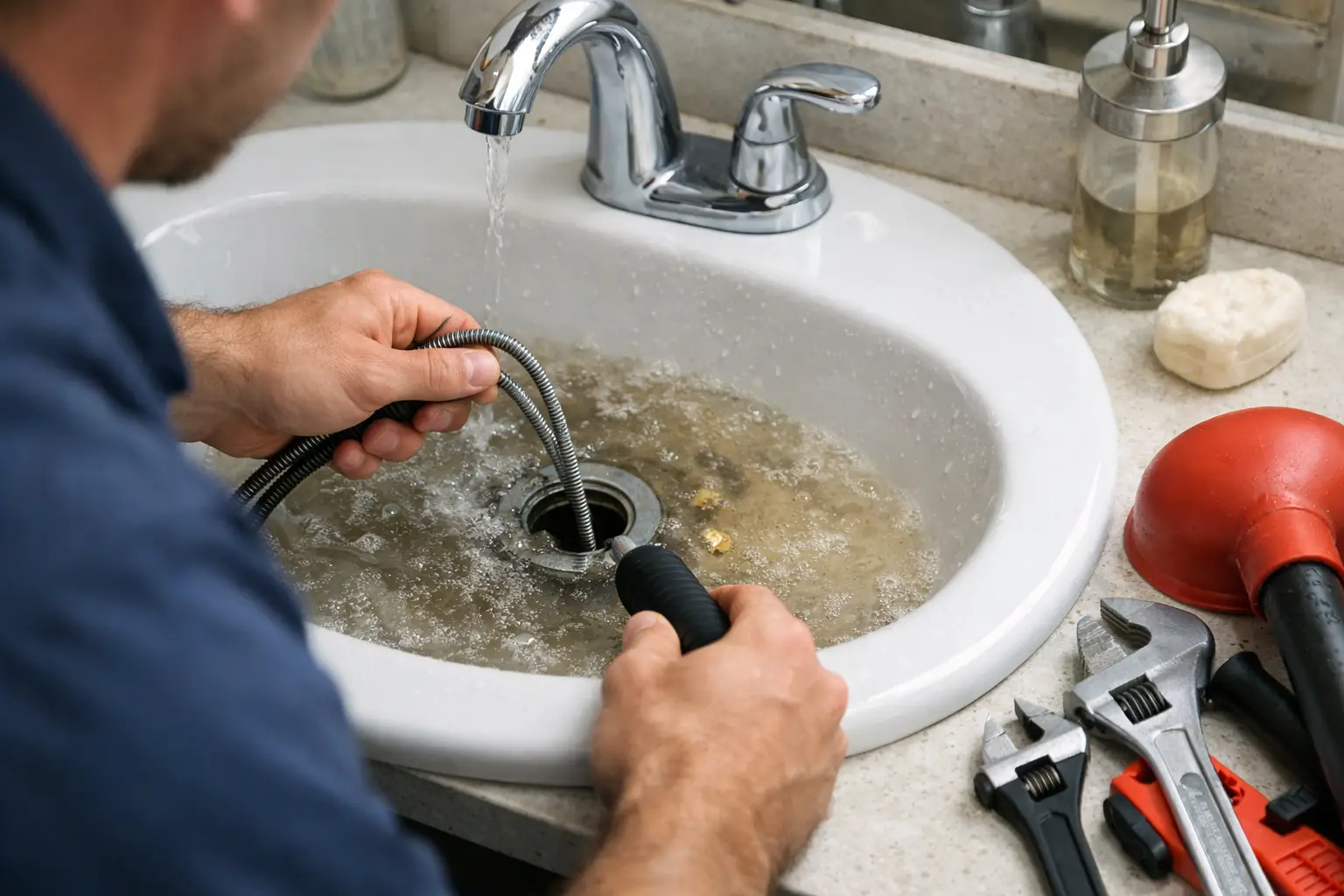

When your toilet is backing up, the hot water has stopped, or you can smell petrol near an appliance, figuring out how to choose a plumber suddenly becomes urgent. In that moment, most people are not looking for the cheapest name on a list. They want someone who answers the phone, turns up when they say they will, explains the issue clearly, and fixes it properly the first time.
That is where a lot of people get caught out. A polished ad or a low starting price can look good, but plumbing work affects your property, safety, and budget. Choosing well upfront usually saves you money, stress, and repeat call-outs later.
How to choose a plumber without getting burned
The best plumber for your job is not always the biggest company or the one with the loudest offer. It is the one that matches your situation. An emergency blocked drain at 10 pm is different from planning a bathroom renovation or replacing a hot water system in a rental.
Start with the basics. In NSW, your plumber should be properly licensed and insured for the type of work they are doing. That matters even more for petrol fitting, hot water systems, and any work tied to safety compliance. If a business is vague when you ask about licensing, move on.
After that, look at how they communicate. A reliable plumber should be able to tell you what the next step is, when they can attend, and how pricing works before work begins. You do not need a technical lecture. You do need plain English and straight answers.
Check the signs of a professional plumber
Good plumbing businesses tend to sound similar for a reason. They are clear, calm, and easy to deal with. They do not dodge questions, and they do not make every job sound like a disaster.
A few practical signs usually tell you a lot. First, they answer or return calls promptly. If it takes half a day to get a response when you are trying to book, service probably will not improve once they have the job. Second, they ask sensible questions. A plumber who asks about the age of the system, where the leak is, whether water has been shut off, or what model hot water unit you have is trying to diagnose properly, not just rush you into a booking.
Third, they give you a clear arrival window. Trade work can run over, and most customers understand that. What matters is being updated, not left waiting around all day. Finally, they should leave you with confidence that they have seen the issue before. Most household and commercial plumbing problems are not rare. Experience shows in how calmly someone handles them.
Pricing matters, but only if it is clear
Everyone wants fair pricing. That does not always mean the lowest quote. If one plumber is dramatically cheaper than the rest, there is usually a reason. It could be limited scope, cheap parts, rushed workmanship, or extras that show up later.
Ask how they charge. For some work, a fixed price makes sense. For other jobs, especially fault finding or more complex repairs, hourly pricing plus materials may be more realistic. Neither is automatically better. The key is that you understand what is included.
A professional plumber should be willing to explain whether the quote covers call-out, labour, materials, equipment, disposal, and GST. If there are possible extra costs, they should say so early. Hidden surprises are what frustrate customers most.
For larger jobs such as bathroom work, water filter installation, or hot water replacements, written quotes are worth having. It keeps everyone on the same page and reduces disputes later.
Reviews help, but read them properly
Online reviews can be useful, but only if you look past the star rating. A long pattern of feedback saying the plumber was on time, tidy, honest, and easy to deal with is more valuable than a perfect score with no detail.
Pay attention to comments about communication and follow-through. That is often where poor service shows up first. Did they return to finish the job? Did they explain options? Did they leave the site clean? Were they respectful in someone’s home or business?
Local reputation matters too. In places like the North Shore, Chatswood, Hornsby, Wahroonga, Surry Hills, or Paddington, repeat business and referrals say a lot. Plumbing is one of those services where word travels quickly. A plumber who keeps being recommended by locals, landlords, strata managers, and business owners has probably earned that trust over time.
Match the plumber to the job
One mistake people make is assuming every plumber handles every type of work equally well. Many do a broad range of services, but some are stronger in certain areas than others.
If you have a blocked drain, you want someone equipped for drain clearing and proper diagnosis, not just someone who will poke around and hope for the best. If it is a petrol issue, you need a licensed petrol fitter. If your hot water has failed, experience with replacement options and repairs matters because the wrong advice can leave you paying more than necessary.
For renovation or bathroom work, the standard is slightly different again. You are not just looking for a quick fix. You want planning, tidy workmanship, coordination, and realistic timelines. For commercial properties or strata, reliability and communication become even more important because delays affect tenants, staff, and residents.
Ask these questions before you book
If you are unsure how to choose a plumber, a quick phone call can tell you a lot. Ask whether they are licensed and insured, when they can attend, how pricing works, and whether they have handled similar jobs before.
You can also ask what happens if extra issues are found once work starts. A trustworthy plumber will not pretend surprises never happen. They will tell you how they communicate variations and get approval before moving ahead.
For urgent work, ask whether they offer emergency plumbing and what the likely response time is in your suburb. For planned work, ask about warranty on labour and parts. You do not need a hard sell. You just need clear answers.
Be careful with the red flags
Most customers can spot obvious warning signs, but a few are easy to miss. Be cautious if a plumber avoids giving even a rough price range, pressures you to decide immediately on non-urgent work, or recommends a full replacement without explaining why repair is not suitable.
Another red flag is poor documentation. For bigger jobs, if there is no written scope, no detail on materials, and no clarity around timing, the chance of confusion goes up. The same applies if they seem hard to reach before the job has even started.
Presentation matters too, but not in a flashy way. Professional vehicles, clean work practices, and respectful behaviour all suggest a business that takes standards seriously. You are letting someone into your home, unit block, office, shop, or restaurant. That should feel straightforward, not risky.
Local knowledge can make a real difference
Sydney plumbing issues are not always the same from one area to the next. Older homes may have ageing pipework, tree root intrusion, or outdated hot water systems. Apartment buildings and strata properties often bring access issues, shared services, and approval processes. Commercial sites usually need quicker turnaround and less disruption.
A local plumber who works across your area regularly is more likely to understand those patterns. They may know the common drainage problems in older suburbs, what tends to fail in certain property types, or how to respond faster when urgent jobs come in nearby. That local experience does not replace licensing or good service, but it does make the job smoother.
This is one reason many Sydney customers prefer businesses that are known in their area and easy to contact directly. At JET Plumbing, that owner-led, local approach is a big part of what customers value because it gives them confidence they are dealing with someone accountable.
The right plumber should make the job feel simpler
Plumbing problems are stressful enough without chasing updates, arguing about invoices, or booking someone else to redo the work. The right plumber makes things feel organised from the first call. They show up, explain the issue, price it fairly, and get on with it.
If you remember only one thing, make it this: choose the plumber who gives you the most confidence, not just the lowest number. A fast response, honest advice, proper licensing, and reliable workmanship are usually what save you in the long run. When you find a plumber who is professional, friendly, and easy to deal with, keep their number handy. You will almost certainly need it again.