DIY Guide on How to Replace a Hot Water Heater Thermostat
Replacing a water heater thermostat is an essential maintenance task that can help you ensure your electric water heater operates efficiently. This DIY guide will walk you through the steps of replacing a faulty water heater thermostat, ensuring that your hot water system runs smoothly and provides you with the hot water you need.
What Is a Water Heater Thermostat and Why Might You Need to Replace It?
A water heater thermostat is a crucial component of electric water heaters, responsible for regulating the temperature of the water inside the tank. It works by controlling the heating element, turning it on or off based on the desired temperature settings. When you set the temperature on the thermostat, it communicates with the heating element to maintain the water temperature within the specified range. If the thermostat is functioning correctly, you will enjoy a steady supply of hot water. However, if it malfunctions, it can lead to issues such as insufficient hot water or dangerously high temperatures.
Recognising the signs of a faulty thermostat is vital for timely replacement. Common indicators include inconsistent water temperatures, frequent tripping of the circuit breaker, or the water not heating at all. If you notice that your hot water faucet is delivering lukewarm or cold water consistently, it’s likely that the thermostat needs to be replaced. Additionally, if the water temperature is excessively hot, it could pose a safety risk, indicating that the thermostat can no longer accurately regulate the heating element. Ignoring these signs can lead to further complications, including leaks or damage to the electric water heater.
Replacing a faulty water heater thermostat has several benefits. Firstly, you can restore the proper function of your water heater, ensuring that you have access to hot water when needed. Secondly, a new thermostat can improve the energy efficiency of your electric water heater, potentially reducing your electricity bills. A properly functioning thermostat helps prevent overheating, minimising the risk of leaks and prolonging the life of the heating element. Overall, replacing the thermostat can lead to enhanced safety and reliability for your hot water system.
How Do You Replace a Water Heater Thermostat? A Step-by-Step Guide
Before beginning the replacement process, gather all the necessary tools and materials. You will need a screwdriver, wire cutters, and a voltage tester to check for electricity. Additionally, ensure you have a new thermostat compatible with your electric water heater model. Safety should be your top priority; turn off the power at the circuit breaker to avoid any electrical hazards during the replacement process. It’s also advisable to wear gloves and safety goggles to protect yourself from any accidental injuries or electrical shocks.
Step 1: Turn Off the Power and Drain the Tank
Start by turning off the power to your electric water heater at the circuit breaker. This step is crucial to ensure your safety while working with the appliance. Next, drain the tank by turning off the cold water supply valve and connecting a hose to the drain valve at the bottom of the water heater tank. Open the drain valve to allow the water to exit, ensuring that the tank is emptied before proceeding to remove the thermostat. Once the tank is fully drained, you can begin the thermostat replacement process.
Step 2: Remove the Old Thermostat from the Electric Water Heater
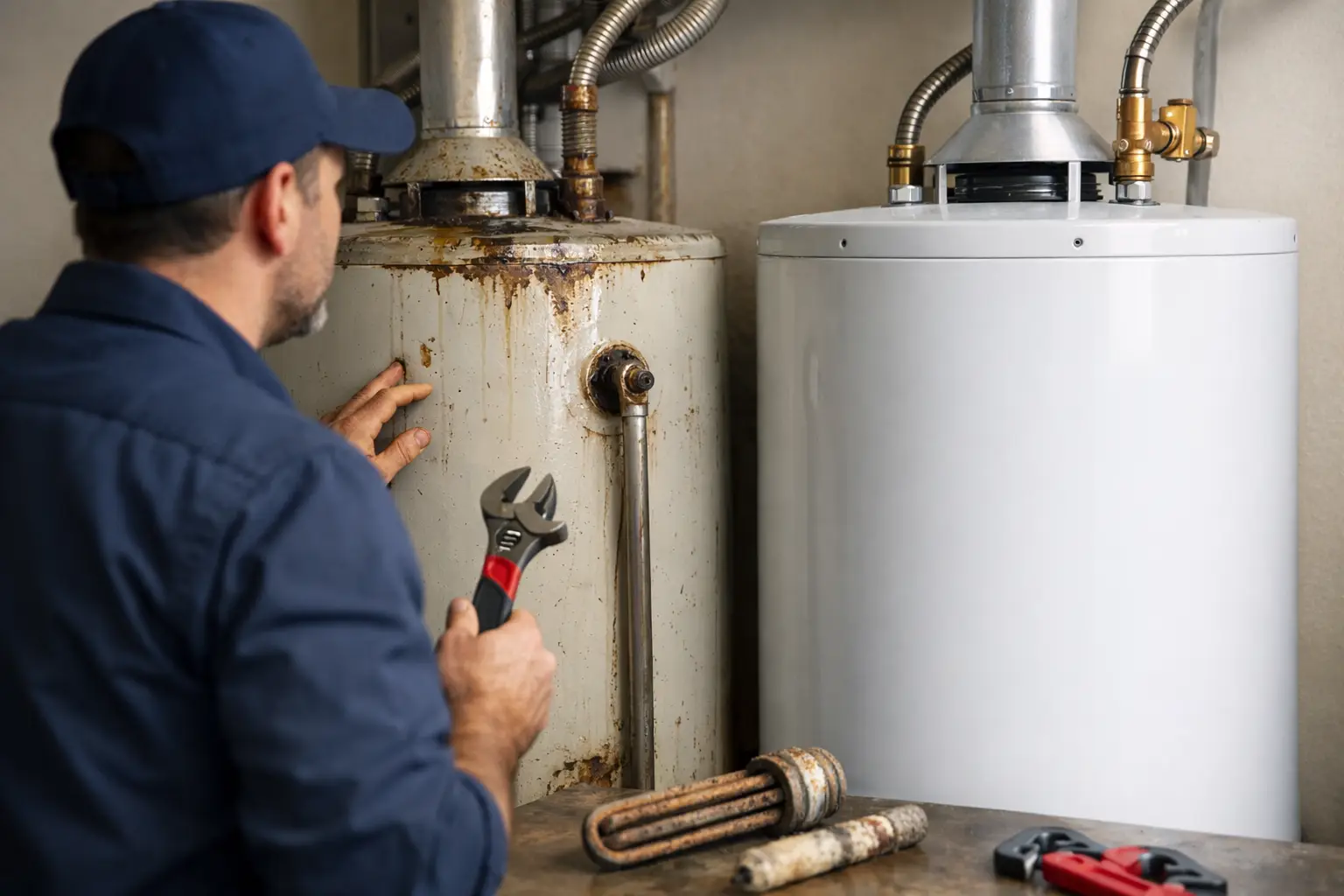
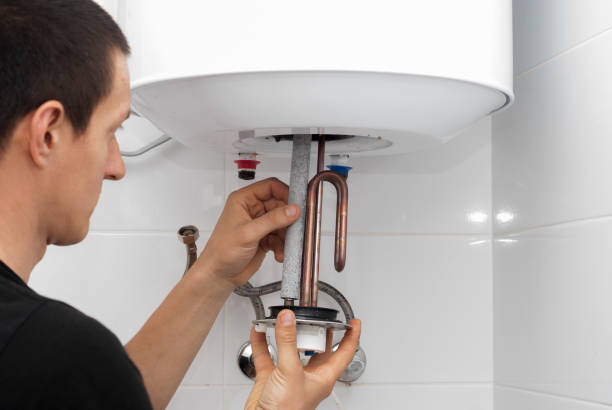
Locate the access panel on the side of the water heater and remove it using a screwdriver. You may find two thermostats—a lower thermostat and an upper thermostat—depending on your electric water heater model. Using the screwdriver, carefully disconnect the wires from the old thermostat, noting their positions to ensure proper reconnection later. After disconnecting the wires, remove the screws securing the thermostat and take it out of the tank. If you are dealing with a faulty thermostat, be cautious, as some residual water may still be present in the area.
What to Consider When Selecting a New Electric Water Heater Thermostat?
When selecting a new electric water heater thermostat, it is essential to determine whether you need an upper or lower thermostat. The upper thermostat is responsible for regulating the temperature of the water at the top of the tank, while the lower thermostat controls the temperature at the bottom. If you are experiencing issues with hot water delivery, it may be necessary to replace both thermostats to restore optimal performance. Ensure that the new thermostat is designed for your specific water heater model to avoid compatibility issues.
Another critical factor when replacing a water heater thermostat is understanding the voltage requirements of your electric water heater. Most residential electric water heaters operate on either 120 volts or 240 volts. Check the specifications on your old thermostat or consult the user manual to determine the correct voltage for your new thermostat. Installing a thermostat with the wrong voltage can lead to further electrical issues, including damage to the heating element or circuit breaker trips.
Ensure that the new thermostat is compatible with your existing hot water system. Different models and manufacturers may have variations in design and wiring configurations. Consult the specifications or seek assistance from a technician or plumber if you are unsure about the compatibility. Choosing the right thermostat will facilitate a smoother installation process and help maintain the efficiency of your electric water heater.
How to Properly Install the New Thermostat?
Once you have your new thermostat ready, it’s time to install it. Begin by connecting the thermostat wires to the corresponding terminals on the new thermostat, ensuring that they match the positions of the old thermostat. Make sure to strip the ends of the wires if necessary and use wire nuts to secure the connections. It is crucial to follow the wiring diagram provided with your new thermostat to avoid any mistakes that could lead to malfunctions or electrical hazards.
After wiring the new thermostat, secure it in place using the screws and bracket provided. Ensure that it is tightly fastened to prevent any movement that could affect its performance. Additionally, reapply insulation around the thermostat to maintain energy efficiency and prevent heat loss. Proper insulation is essential for maintaining consistent water temperature and preventing overheating.
Before you turn the power back on, double-check all your connections and ensure that there are no exposed wires. Reattach the access panel securely and make sure that all tools and hoses are removed from the area. Once you have verified everything is in order, you can turn the power back on at the circuit breaker. Allow the water heater to heat the water, and check the hot water faucet to ensure that the water temperature is rising appropriately.
What Are Common Issues After Replacing an Electric Water Heater Thermostat?
After replacing the thermostat, if you notice that your hot water is not heating properly, there may be several reasons for this issue. First, check to ensure that the thermostat is set to the correct temperature. It is also wise to examine the heating element for any signs of damage or malfunction. If the heating element is faulty, it may need to be replaced as well. Additionally, inspect the wiring connections to ensure they are secure and properly attached.
If your circuit breaker trips shortly after replacing the thermostat, it could indicate a short circuit or an overload. Double-check all wiring connections to ensure they are properly installed and insulated. If you have connected the wires incorrectly, this could lead to a trip in the circuit breaker. In some cases, the heating element may also be damaged, necessitating its replacement. If you are unable to identify the issue, consider consulting a plumber or a technician for further assistance.
If you encounter persistent issues after replacing the thermostat, or if you are uncomfortable performing any of the steps yourself, it’s essential to call a plumber. A qualified technician can diagnose the problem accurately and provide solutions tailored to your specific water heater. They can also check for any underlying issues that may have contributed to the thermostat failure, ensuring that your hot water system operates safely and efficiently moving forward.
Conclusion
Replacing a thermostat on a hot water heater is a straightforward task that can save you time and money. By following the steps outlined in this guide, you can easily identify the old thermostat, remove it, and install a new one. Make sure to turn off the power and water supply before starting. With careful attention to detail, you can ensure your hot water heater works efficiently again. Now you can enjoy consistent hot water without the hassle of calling a professional.