If your hot water has stopped working, the usual first question is simple – who installs hot water systems, and who should you actually call? In Sydney, the answer is usually a licensed plumber, and in many cases a licensed petrol fitter or electrician may also be involved depending on the type of unit you’re installing. What matters most is not just getting someone out quickly, but getting the right qualified trade to do the job safely and legally.
Who installs hot water systems?
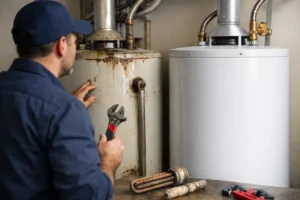
For most homes and small businesses, a licensed plumber is the main trade responsible for hot water system installation. That includes disconnecting the old unit, fitting the new one, connecting pipework, testing the system, and making sure it complies with current Australian standards.
If the system is petrol, the installer also needs to hold the correct petrol fitting licence. If the unit is electric, electrical work may need to be carried out by a licensed electrician. Heat pump and solar hot water systems can involve more than one trade as well, especially when new electrical connections, roof components, or major upgrades are part of the job.
That’s why the better question is often not just who installs hot water systems, but who is licensed to install your type of system properly. A standard replacement is usually straightforward. A change from electric to petrol, or storage to continuous flow, can be a more involved job.
Why licensing matters more than price
When people lose hot water, it’s tempting to focus on speed and cost only. Fair enough – nobody wants a cold shower, and nobody wants to overpay. But hot water systems involve pressure, heat, water connections, and sometimes petrol or electrical components. If the installation is done badly, the problems can show up quickly or months later.
A poor installation can lead to leaks, inconsistent water temperature, low pressure, property damage, or higher running costs. In more serious cases, non-compliant petrol or electrical work can create real safety risks. That’s why you want a licensed and insured professional who knows the local regulations and can install the unit to manufacturer requirements.
Cheaper is not always cheaper if the system fails early, the warranty is affected, or another plumber has to come back and fix the original work.
The trade you need depends on the system
Not all hot water systems are installed in exactly the same way. The system type changes the scope of work.
Electric storage systems
These are common in older homes, units, and investment properties. A plumber usually handles the water connections and physical installation, while an electrician may be needed for the final electrical connection or any switchboard-related work. If you are replacing like for like, the job is often simpler and faster.
Petrol hot water systems
Petrol storage and continuous flow systems need a licensed petrol fitter. In many cases, that’s a plumber who is also licensed for petrol work. The installer needs to make sure petrol connections, ventilation, clearances, and commissioning are all handled correctly.
Continuous flow systems
These are popular in Sydney homes because they save space and can be energy efficient. Installation can be straightforward if you’re replacing an older continuous flow unit with a similar model. If you’re switching from a storage tank, pipework or petrol line upgrades may be required.
Heat pump systems
Heat pumps are becoming more common because of energy efficiency and rebate interest. They can be a smart option, but they are not a one-size-fits-all solution. The install may involve plumbing and electrical work, and the location of the unit matters because of noise, drainage, and ventilation.
Solar hot water systems
These can be more complex again, especially if roof-mounted panels are involved. Access, roof condition, booster setup, and system design all affect the installation process.
When a plumber can replace the unit on the spot
Sometimes the fastest path is a like-for-like replacement. That means your old system has failed, and the new one is similar in size, fuel type, and position. In that situation, an experienced plumber can often recommend a suitable replacement and get the job moving quickly.
This is common for emergency hot water jobs across Sydney. A household in Chatswood, Wahroonga or Surry Hills usually doesn’t want a long discussion about product categories when the hot water is already out. They want clear advice, a fair quote, and a system that suits the property and the budget.
That said, not every old unit should be replaced with the same thing. If your household size has changed, energy bills are too high, or the current system never really met demand, it may be worth reviewing better options before installing another one.
What a good installer should check before starting
A proper hot water installation starts before any tools come out. The installer should ask a few practical questions and inspect the site properly.
They should confirm how many people use hot water in the property, whether the existing system has kept up, what fuel source is available, and whether the current location is still suitable. They should also check pressure, tempering valve requirements, drainage, access, compliance clearances, and the condition of nearby pipework.
For commercial sites or strata properties, there may be additional considerations around demand, access times, shutdown coordination, and tenant impact.
If nobody is asking these questions and the whole conversation is only about the cheapest unit available, that’s usually a warning sign.
Signs you need a licensed installer, not a handyman
A hot water system is not a general maintenance job. If the unit is leaking, tripping power, producing rusty water, running out too fast, or showing signs of age, you need someone qualified to assess whether it should be repaired or replaced.
A handyman is not the right choice for regulated plumbing, petrol, or electrical work. Even if the system looks easy to swap over, legal compliance still matters. Manufacturers also expect installation to be completed by licensed trades for warranty purposes.
The short version is this – if it heats water for your property, it should be installed by the right licensed professional, not whoever says they can have a crack at it.
How to choose who installs hot water systems for your property
The best installer is not always the biggest company or the cheapest quote. For most Sydney property owners, it comes down to a few practical things: licensing, experience, response time, and communication.
You want someone who can explain the options clearly, recommend a system that suits the property, and tell you upfront what is included in the price. Removal of the old unit, valves, trays, tempering valves, electrical coordination, and warranty details should all be discussed clearly.
It also helps to choose a local plumber who knows the area and can respond quickly if there’s an issue later. A fast turnaround matters when you’ve got tenants without hot water or a busy household trying to get through the week.
At JET Plumbing, that local, direct approach matters because people want to know who they’re dealing with and that the job will be handled properly from start to finish.
Repair or replace – it depends
Not every failed hot water system needs full replacement. Some issues can be repaired, especially if the unit is relatively modern and the fault is isolated to a valve, thermostat, element, pilot issue, or minor component.
But if the tank is leaking, the system is old, parts are becoming unreliable, or it’s costing you more in repeat callouts, replacement is often the better long-term decision. A good plumber should give you an honest view, not push a new system if a sensible repair is still worthwhile.
That balance matters for homeowners and landlords alike. Sometimes spending less today only delays a bigger problem by a few weeks.
The right install saves hassle later
A hot water system is one of those things you barely think about until it fails. When it does, you need more than a quick fix. You need the right licensed trade, a system that suits the property, and an installation done properly the first time.
If you’re wondering who installs hot water systems, start with a licensed plumber and make sure any petrol or electrical work is handled by the appropriately licensed professional as well. A clear quote, honest advice, and reliable workmanship will save you a lot more than the cheapest price ever will.
If you’re booking the job now, the best next step is simple – speak to a local plumber who can assess the system, explain your options in plain English, and get your hot water sorted without the runaround.