You usually ask, do I need a gas fitter, at the exact moment something feels off. There might be a gas smell near the cooktop, a hot water system that keeps cutting out, or an appliance install that looks simple until you start tracing pipes and fittings. That is the point where guesswork becomes risky.
Gas work is not like changing a tap washer or clearing leaves from a stormwater grate. If a job involves a gas line, gas appliance, regulator, meter connection, or suspected leak, you need a licensed gas fitter. In Sydney homes and commercial properties, that is the safe and legal way to handle installation, repairs, testing, and compliance.
Do I need a gas fitter for every gas job?
Not every gas-related issue means a major repair, but if the work goes beyond basic user operation, the answer is generally yes. Lighting your appliance according to the manufacturer instructions is one thing. Disconnecting, relocating, repairing, or installing anything connected to gas is another.
A licensed gas fitter handles work such as connecting a new cooktop, repairing a leaking gas pipe, servicing a gas hot water unit, replacing valves, testing for leaks, and making sure the system is compliant. They also know how to check ventilation, pressure, appliance suitability, and whether the installation has been done correctly in the first place.
That matters because gas problems are not always obvious. A small leak behind a wall or under a kitchen cabinet might not make itself known until there is a smell, a performance issue, or a real safety hazard.
When the answer is clearly yes
Some situations are straightforward. If you can smell gas, hear hissing near a fitting, notice an appliance is burning with an unusual flame, or your gas hot water system is not operating properly, it is time to call a licensed professional.
The same applies if you are renovating. A lot of people assume moving a cooktop or heater a short distance is a simple trade job. It often is not. Relocating gas pipework needs proper sizing, correct materials, testing, and certification where required. The job has to be safe, not just connected.
Landlords and strata managers should be especially careful here. If a tenant reports a gas smell or a faulty appliance, delaying action is not worth the risk. Fast response matters, but so does getting someone qualified to inspect and fix the issue properly.
Signs your gas system may need attention
A gas leak is the obvious one, but it is not the only warning sign. You may need a gas fitter if you notice yellow or orange flames instead of a steady blue flame, soot marks around an appliance, pilot lights that keep going out, higher-than-usual gas bills, or appliances taking longer to heat than they used to.
Sometimes the issue is subtle. A weak-performing cooktop or inconsistent hot water might point to a pressure problem, a faulty regulator, or a partially blocked component. Those are not jobs to diagnose by trial and error.
New appliance installation is not a DIY job
A boxed appliance delivered to your door can make the job look easy. Connect a hose, tighten a fitting, and you are done – except you are not. Gas appliance installation needs to match the appliance type, gas supply, location, clearances, and ventilation requirements.
That includes cooktops, ovens, gas bayonets, heaters, BBQ points, and hot water units. A licensed gas fitter checks the connection, tests for leaks, confirms correct operation, and makes sure the installation meets current standards. That gives you confidence the appliance is not just running, but running safely.
Why DIY gas work is a bad idea
The short answer is safety. The longer answer is safety, legality, and cost.
Gas is highly effective when installed and maintained properly, but there is very little margin for error. A poor connection or damaged fitting can lead to leaks, fire risk, appliance failure, or carbon monoxide exposure. Even a small mistake can become expensive once walls, cabinetry, or flooring need to be opened up to repair faulty work.
There is also the compliance issue. In NSW, gas fitting work must be carried out by a properly licensed tradesperson. If unlicensed work causes damage, injury, or an insurance claim, you may find yourself in a very difficult position.
For homeowners, the risk is personal and financial. For landlords and business owners, there is an added duty of care. If the property is occupied by tenants, staff, or customers, taking shortcuts with gas work is simply not worth it.
What a gas fitter actually does
A lot of people hear the term but are not quite sure where the line is between plumbing and gas fitting. A gas fitter is licensed to install, repair, alter, and test gas systems and gas appliances. Many plumbers also hold gas fitting licences, which means they can handle both water and gas work where needed.
In practical terms, that could mean finding and repairing a leak, replacing damaged pipework, installing a new gas hot water service, connecting a cooktop during a kitchen renovation, or checking why a commercial kitchen appliance is not operating properly.
A good gas fitter also explains the issue in plain language. You should know what the problem is, what needs to be done, and what it is likely to cost before work starts. That sort of clear communication matters when you are dealing with something safety-critical.
Do I need a gas fitter or a plumber?
Sometimes you need both, and often that is the same person if they are licensed for gas fitting. If the issue involves gas supply, gas appliances, or gas pipework, you need someone with the right gas licence. If it is purely a water or drainage issue, a plumber may be enough.
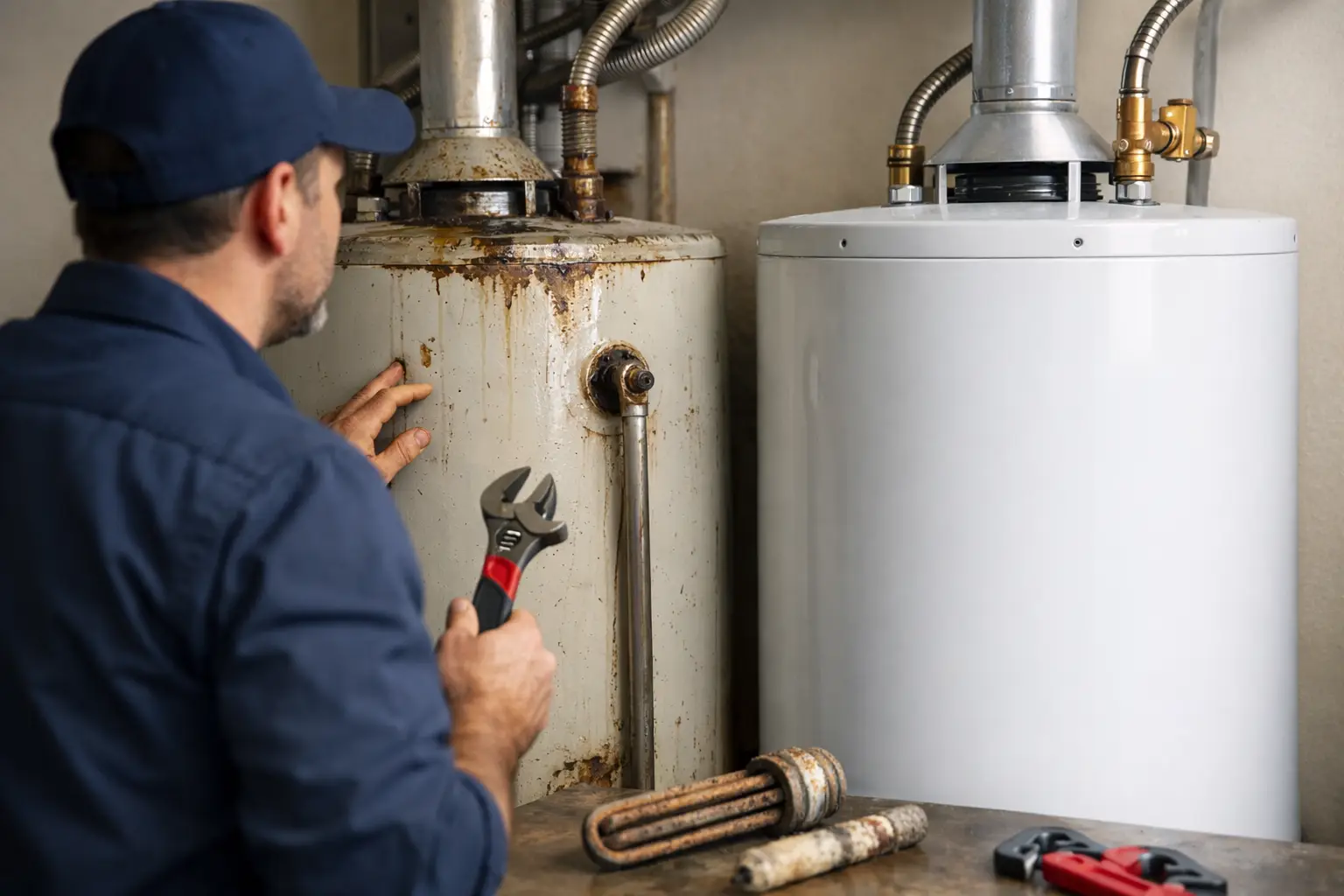
The confusion usually happens around hot water systems, kitchen renovations, and appliance upgrades. A gas hot water unit involves gas connections as well as water connections, so licensing matters. The same goes for replacing a gas cooktop or installing a new gas point for heating.
If you are not sure, ask directly whether the tradesperson is licensed and insured for gas fitting work. A reputable company will answer that clearly.
Emergency issues need quick action
If you suspect a gas leak, turn off the gas at the meter if it is safe to do so, avoid using switches or flames, and arrange urgent professional help. Do not try to find the leak yourself with improvised methods. Do not keep using the appliance to see if the problem settles down.
Fast attendance matters in these situations, especially in occupied homes, apartment buildings, restaurants, and small commercial premises. The right response is not just about restoring service quickly. It is about isolating the hazard, testing the system, and making the area safe before normal use resumes.
For Sydney property owners, that often means choosing a local team that can get there without delay and explain exactly what happens next. That is one reason people call owner-led operators like JET Plumbing – you want a licensed professional who turns up, communicates clearly, and fixes the issue without mucking you around.
The cost question most people are really asking
Often, do I need a gas fitter really means, can this wait or can I avoid paying for a specialist? Sometimes the answer is that the job is small. Sometimes it is a quick adjustment, a straightforward appliance connection, or a minor repair. But the right person still needs to do it.
Paying for licensed work upfront is usually cheaper than correcting unsafe or non-compliant work later. It also gives you proper peace of mind. You are not left wondering whether the smell will come back, whether the flame looks right, or whether the installation would pass inspection.
Gas work is one of those areas where doing it once and doing it properly matters more than shaving a little off the first invoice.
If something gas-related in your property is not working as it should, trust that instinct. A quick check from a licensed gas fitter is often the simplest way to make the problem clear and the next step easy.