You notice it straight away in the shower. What should be a normal rinse turns into a weak trickle, the tap takes forever to fill the sink, and suddenly everyday jobs feel harder than they should. If you are wondering how to fix low water pressure, the right answer depends on whether the problem is isolated to one fixture, one part of the property, or the whole building.
Low water pressure is not always a major plumbing fault, but it is rarely something to ignore. In Sydney homes and commercial properties, it can point to anything from a clogged aerator to a hidden leak, a faulty pressure reducing valve, ageing pipework, or an issue with the mains supply. The key is to narrow it down properly before you waste time replacing the wrong part.
How to fix low water pressure – start with where it happens
The first thing to check is whether the low pressure affects one tap, one bathroom, the hot water only, or the whole property. That tells you a lot.
If it is just one tap or one shower, the issue is often local. A blocked aerator, a dirty shower head, a partially closed isolation valve, or a worn tap component can all reduce flow. These are usually straightforward fixes.
If the problem affects multiple fixtures, especially across both hot and cold water, it is more likely to be a larger plumbing issue. That could mean a hidden leak, corroded pipes, a faulty pressure limiting device, or a supply problem outside the property. In strata buildings and some commercial sites, shared infrastructure can also play a part.
Check the simple causes first
Before assuming the worst, start with the easier checks. A lot of pressure complaints come down to buildup and partial blockages.
Clean the tap aerators and shower heads
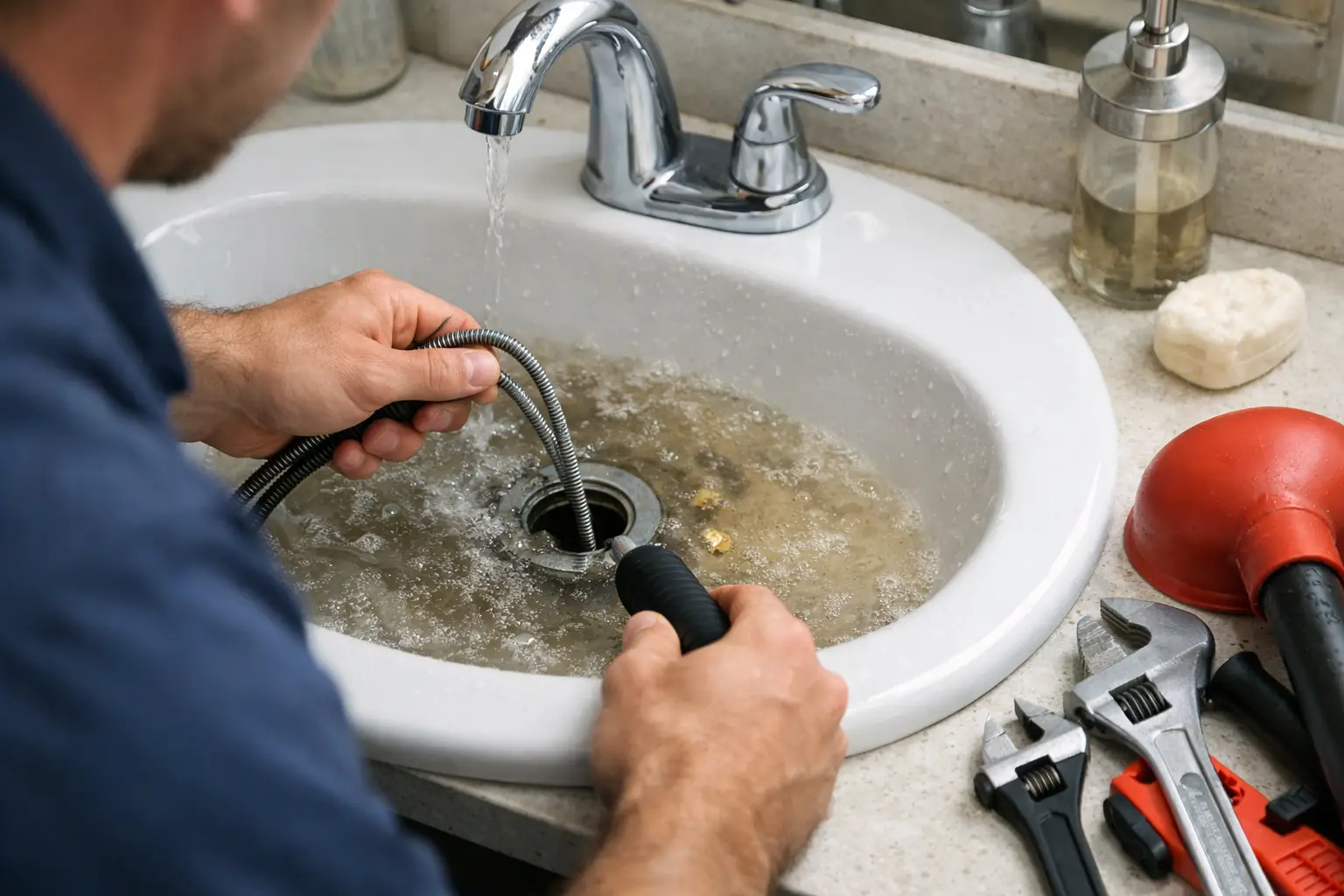
Tap aerators and shower heads collect sediment, mineral deposits and general debris over time. Unscrew the aerator from the end of the tap, rinse it out, and soak it if needed to loosen scale. Do the same with the shower head if the flow is uneven or spraying in odd directions.
If the pressure improves after cleaning, you have found the issue. If not, keep going.
Make sure the isolation valves are fully open
Look under sinks, behind toilets, and near appliances like dishwashers or washing machines. If an isolation valve is only partly open, water flow will drop. This can happen after previous plumbing work or renovation work when a valve was not reset properly.
Turn valves carefully. If one is stiff, leaking, or looks damaged, do not force it.
Ask whether the issue is hot water, cold water, or both
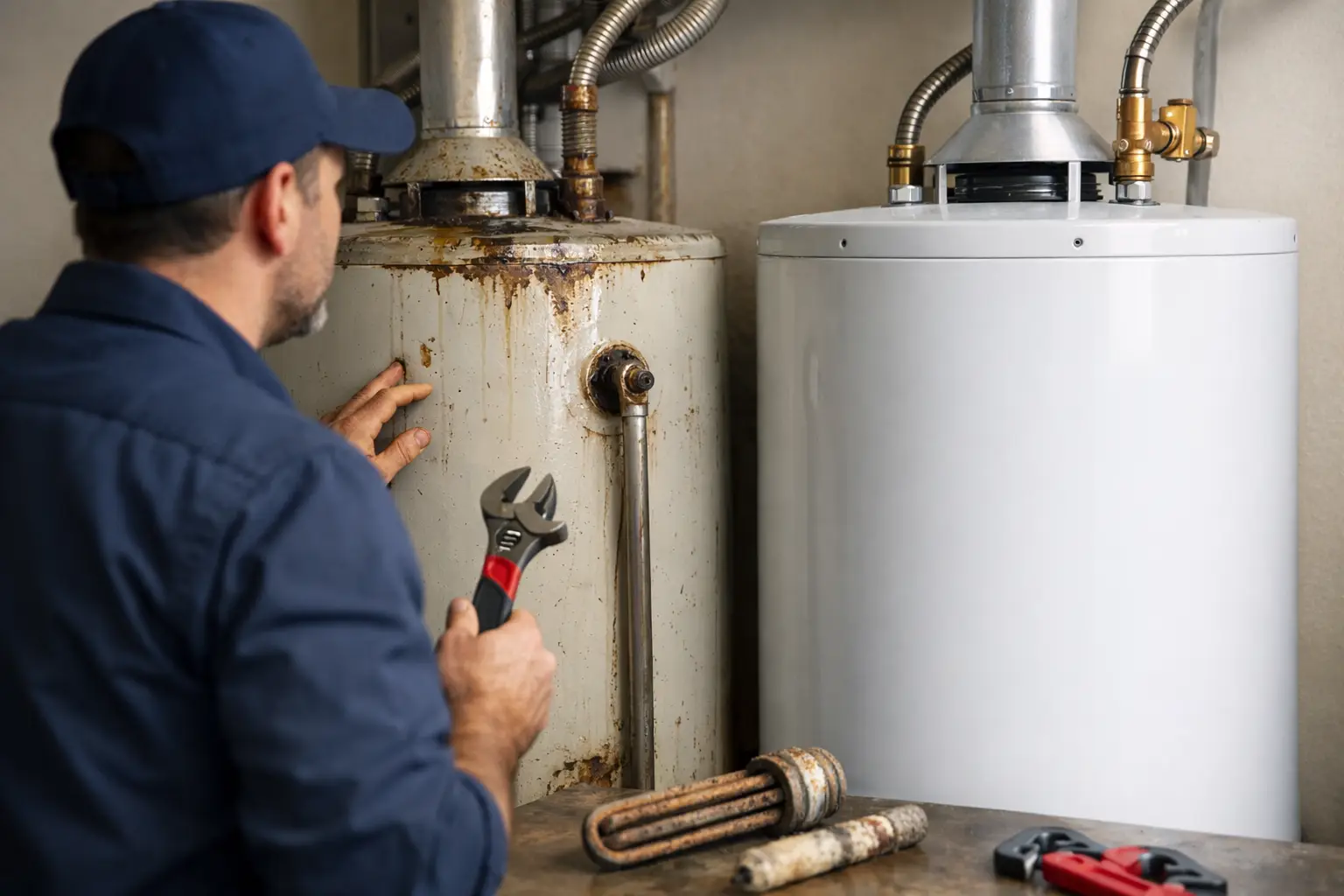
This matters. If the cold water pressure is fine but the hot water is weak, the issue may be with the hot water system, a tempering valve, or sediment inside the system. If both are low, the cause is more likely in the main supply or pipework.
That is one of those situations where it really does depend on the property setup. A house with older galvanised pipes has different risks from a newer build with modern fittings.
Look for signs of a hidden leak
A hidden leak is one of the more common reasons water pressure drops across a home or business. Water escapes before it reaches the fixture, so the flow you get at the tap feels weak.
Check for damp patches, mould, stained walls, soft ground outside, or an unexplained increase in your water bill. You can also turn off all taps and water-using appliances, then watch the water meter. If it is still moving, there may be a leak somewhere in the system.
Leaks under floors, behind walls, or underground are not DIY jobs. They need proper fault finding and repair. Leaving them too long can lead to water damage, higher bills and, in some cases, structural issues.
Older pipework can choke the flow
In older Sydney properties, especially homes that have had partial upgrades over the years, internal corrosion can restrict water flow. Galvanised pipes are a common culprit. As they age, the inside diameter narrows with rust and scale buildup, which means less water gets through.
This usually shows up as gradual pressure loss rather than a sudden drop. You might notice one bathroom is worse than another, or that pressure has been getting poorer over months or years.
There is no chemical shortcut that truly fixes heavily corroded pipework. In those cases, repair or replacement is the real solution. It is a bigger job, but it restores performance properly instead of masking the problem.
Pressure reducing valves can fail
Some properties have a pressure reducing valve fitted to protect plumbing fixtures from excessive mains pressure. When it works properly, it keeps water flow stable and safe. When it starts to fail, it can do the opposite and cause poor pressure throughout the property.
A faulty valve may create pressure that is consistently low, suddenly erratic, or worse at certain times of day. Because these valves sit on the incoming supply line, problems here tend to affect more than one tap.
This is not something most property owners should replace themselves. It needs correct diagnosis and licensed plumbing work.
Don’t overlook problems outside the property
Sometimes the plumbing inside the building is not the issue at all. Local water main works, supply interruptions, peak demand, or faults in the street connection can all affect pressure.
If neighbours are having the same problem at the same time, that is a useful clue. In some cases, the issue resolves once external works are complete. In others, a damaged supply line between the meter and the property may need repair.
For strata properties, unit blocks and mixed-use buildings, low pressure can also be tied to shared systems, booster pumps or building-wide valves. That is why the same symptom in a freestanding home and an apartment can point to very different causes.
How to fix low water pressure safely
If you want to know how to fix low water pressure without turning a small issue into a bigger one, the safest approach is to handle only the basic checks yourself. Cleaning aerators, checking visible valves, and comparing hot versus cold water are sensible first steps.
What you should not do is start dismantling pipework, adjusting pressure control devices, or guessing your way through hot water components. Plumbing systems are interconnected. A wrong move can cause leaks, fixture damage, or safety issues, especially where hot water or petrol systems are involved.
A licensed plumber can test pressure properly, inspect valves, identify leaks, and tell you whether the fix is a simple service job or something more involved like pipe replacement.
When to call a plumber straight away
Some signs mean it is worth getting help sooner rather than later. If the pressure drop is sudden, if you can hear water running when nothing is on, if there are damp patches indoors, or if low pressure is affecting the whole property, it is time to have it checked.
The same goes for any low pressure issue connected to your hot water system. These faults are not always obvious from the outside, and the wrong DIY approach can make repairs more expensive.
For landlords, strata managers and business owners, speed matters even more. Poor water pressure affects tenants, staff, customers and day-to-day operations. Delaying repairs can turn a manageable plumbing issue into a disruptive one.
The right fix depends on the real cause
There is no one-size-fits-all answer to low water pressure. Sometimes the fix takes ten minutes and costs very little. Sometimes it is the early warning sign of a leak, failed valve or ageing infrastructure that needs professional work.
That is why clear diagnosis matters. A quick look at the symptom is not enough. You need to know whether the problem is local, system-wide, temporary, or getting worse.
If the easy checks do not solve it, getting a licensed local plumber involved will usually save time, stress and repeat call-outs. For Sydney property owners who want a fast, reliable answer, that practical approach is usually the one that gets the job sorted properly the first time. If you are unsure, call John at JET Plumbing and get the issue checked before weak pressure turns into a bigger plumbing problem.