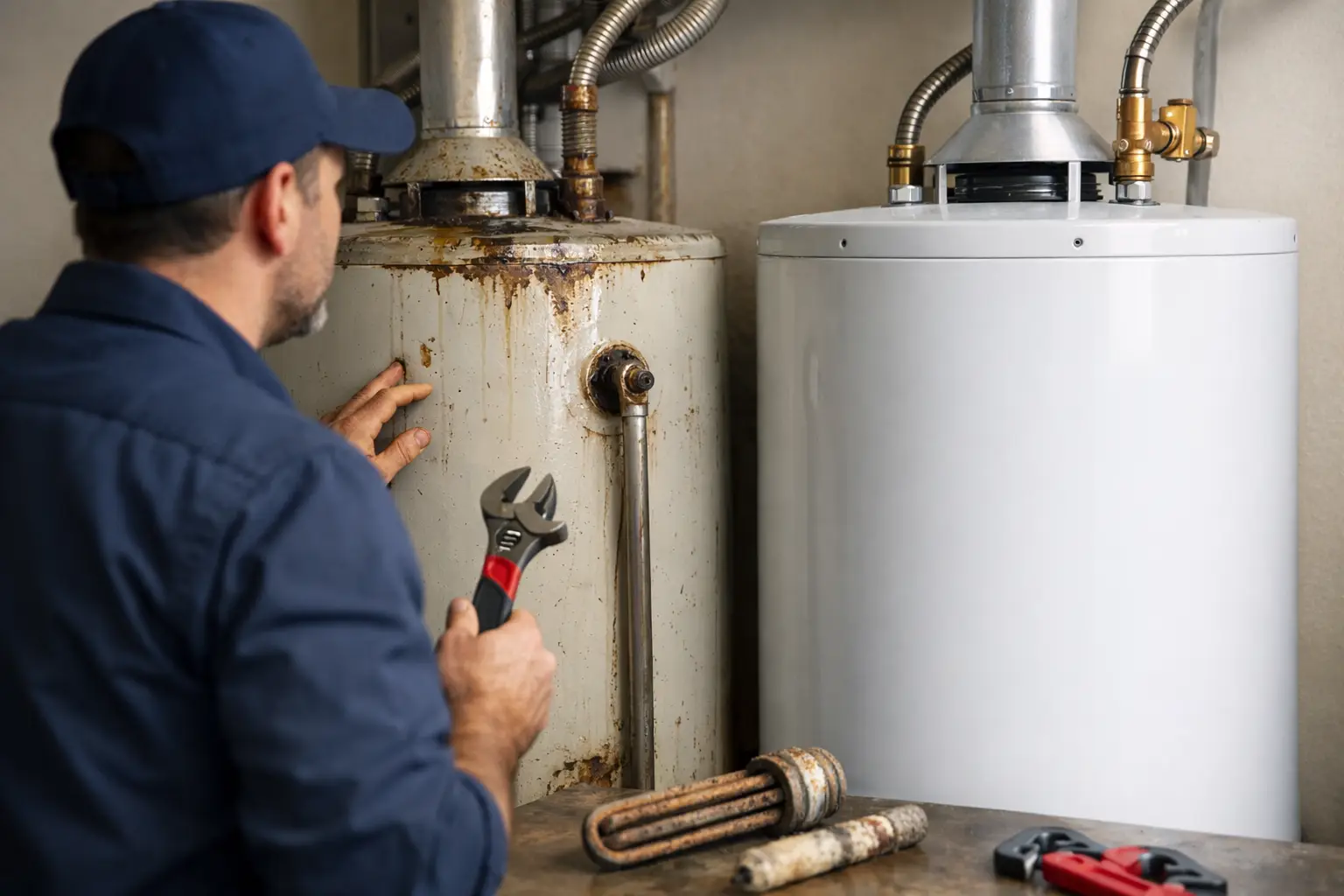
A cold shower at 6:30 in the morning is usually when people start asking about the best hot water systems. Not when the old unit is quietly working away, but when it fails, leaks or suddenly can’t keep up with the household. If you’re replacing a system in Sydney, the right choice comes down to more than just price. You need something that suits your home, your usage, your running costs and how quickly you need hot water back on.
What makes the best hot water systems?
The best system for one property can be the wrong choice for the next. A family home in Wahroonga with two bathrooms and heavy morning demand will usually need something very different from a small unit in Surry Hills or a rental in Chatswood.
In most cases, the best hot water systems balance four things well: enough capacity, reasonable running costs, reliability and a straightforward installation. If one of those is off, you tend to feel it pretty quickly. A cheap unit that struggles in winter or a highly efficient model that costs far too much to install may not be the smart option after all.
That’s why it helps to look at the main system types in practical terms rather than chasing whatever sounds most advanced.
Petrol hot water systems
Petrol hot water systems are still a popular choice across Sydney, especially in homes that already have natural petrol connected. They heat water quickly, recover fast and generally suit households with higher demand.
For many families, petrol storage or continuous flow systems are a strong all-round option. If several people shower back-to-back, or if you regularly run hot water in the kitchen and bathroom at the same time, petrol can handle that load well. Continuous flow models are especially useful where space is limited because there’s no storage tank taking up room.
The trade-off is that petrol availability matters. Not every property has a suitable connection, and LPG setups can change the running cost equation. Continuous flow units also rely on correct sizing. Go too small and you’ll notice the drop in performance when demand spikes.
For homes already set up for petrol, this is often one of the most practical upgrade paths.
Electric hot water systems
Electric systems are usually the simplest and cheapest to install upfront. That makes them common in units, smaller homes and investment properties where owners want a straightforward replacement without major changes.
A standard electric storage system can do the job well if your hot water use is modest or spread out through the day. They’re also often the quickest option when an old unit has failed and you need a like-for-like replacement fast.
The downside is running cost. Electric resistance heating is typically more expensive to operate than petrol, and that matters more over time than many people expect. If your household uses a lot of hot water, the lower upfront price can be offset by higher power bills.
Still, for some properties, especially where petrol isn’t available and budget is a key factor, electric remains a sensible option.
Heat pump hot water systems
Heat pump systems have become far more common as homeowners look for better energy efficiency. They work differently from standard electric units by drawing warmth from the air to heat water, which can significantly reduce electricity use.
For the right home, a heat pump can be one of the best hot water systems from a running cost point of view. They’re particularly appealing for owner-occupiers planning to stay put and wanting lower ongoing bills.
But there are trade-offs. Heat pumps usually cost more upfront than standard electric systems, and they need suitable placement with enough airflow. Some models can also be noisier than a conventional tank, which matters if the unit sits near bedrooms or neighbouring boundaries.
They can be an excellent fit, but only when the site and the household usage make sense.
Solar hot water systems
Solar hot water appeals for obvious reasons. Sydney gets good sun, and reducing energy bills is attractive for most households. A solar setup uses roof-mounted collectors and a storage tank, often with petrol or electric boosting when needed.
For larger homes with good roof orientation and long-term plans, solar can work very well. It’s often best suited to households that use a fair amount of hot water and want to invest in efficiency over time.
That said, solar is not always the easiest or cheapest answer. Installation is more involved, roof suitability matters and the upfront cost is higher than basic electric or petrol systems. In some homes, a heat pump gives similar efficiency benefits with a simpler installation footprint.
Solar can be a smart system, but it needs proper assessment rather than assumptions.
Storage vs continuous flow
This is one of the biggest decisions people overlook.
A storage system heats and stores a set amount of hot water in a tank. Once that hot water is used up, you need to wait for recovery. The upside is predictable supply and, in many cases, lower initial purchase cost.
A continuous flow system heats water as needed. You don’t run out in the same way, which is a major benefit for busy households. They’re compact and efficient, but performance depends heavily on correct sizing and water flow demand across the property.
If your household often has multiple people showering one after another, continuous flow can be a great option. If you have a simpler setup and want lower upfront cost, storage may still suit you perfectly well.
How to choose the right size
Even the best system will disappoint if it’s undersized. This happens more often than it should.
A one or two-person household may be fine with a smaller electric or petrol system, especially if hot water use is staggered. A family of five with teenagers, a big bath and regular laundry loads is in a completely different category.
Bathroom count matters, but so does behaviour. Some homes have one bathroom and very heavy usage. Others have two bathrooms but relatively light demand. That’s why asking only how many people live in the home doesn’t always tell the full story.
A properly sized system should match your peak demand, not just your average day.
What Sydney homeowners should think about first
In local homes, we usually tell people to start with the practical questions.
Do you already have petrol connected? Is this an urgent replacement or a planned upgrade? Are you staying in the property for years, or is this a rental where upfront cost matters more? Is there enough space for a tank, or would a compact continuous flow unit suit the site better?
These answers narrow the field quickly. A lot of people begin by comparing brands and model features, but the bigger win is choosing the right system type for the property.
For example, an owner in Hornsby planning a renovation may be better off upgrading to a more efficient system with long-term savings in mind. A landlord needing same-day replacement in a unit may simply need a reliable, cost-effective system installed without delay. Both are reasonable decisions. They’re just solving different problems.
Installation matters as much as the unit
A good hot water system can still cause headaches if it’s installed badly. Incorrect sizing, poor placement, unsafe petrol work, drainage issues or non-compliant valves can all create problems that cost more later.
That’s why it pays to have a licensed plumber assess the site properly, explain the options clearly and install the unit to suit the property. The best result is not just getting hot water back today. It’s having confidence the system will perform properly through winter, handle your household demand and stay compliant.
If you’re replacing an old unit, it’s also worth checking whether the existing setup is still the right one. A like-for-like swap is sometimes fine, but not always. Your household size may have changed, your energy costs may be different, or the old system may simply have been the wrong fit from the start.
So which system is best?
If you want the short answer, petrol is often a strong choice for Sydney family homes with existing petrol access, electric works for lower-cost straightforward replacements, heat pumps suit owners chasing efficiency, and solar can be worthwhile for the right property with the right budget.
The longer answer is that the best hot water systems are the ones matched properly to the home, installed correctly and sized for real usage. That’s where a lot of the value sits.
If you’re unsure, it helps to speak with a local plumber who can look at your current unit, your household demand and your property setup without overcomplicating it. At JET Plumbing, that usually starts with a clear conversation about what’s actually going to work best, not just what sounds good on paper.
When your hot water system is right, you stop thinking about it. And that’s exactly how it should be.