
Bathroom renovations usually look simple at the start. New tiles, better storage, a modern shower, maybe a wall-hung vanity. Then the plumbing starts, and that is where timelines, costs, and quality can shift quickly. If you are looking for a bathroom renovation plumber Sydney property owners can rely on, it helps to know what separates a straightforward job from a stressful one.
A good renovation plumber does more than connect pipes. They help make sure your new bathroom works properly behind the walls, drains well, complies with Australian standards, and does not create expensive problems six months after the tiler has packed up.
Why the right plumber matters in a bathroom renovation
In a renovation, plumbing affects almost every part of the room. The position of the toilet changes waste pipe requirements. A new vanity can alter water line placement. A larger shower may need different drainage falls. Even small layout changes can mean extra work under the floor, in the wall, or at the stack.
That is why choosing a bathroom renovation plumber in Sydney should never be an afterthought. The plumbing rough-in needs to be right before waterproofing, tiling, and fit-off begin. If that stage is rushed or done poorly, every trade that follows is working around a hidden problem.
For homeowners and property managers, this usually comes down to three priorities – the work needs to be compliant, it needs to be reliable, and it needs to stay on schedule. A licensed plumber who communicates clearly is often the difference between a smooth renovation and one that drags on for weeks.
What a bathroom renovation plumber Sydney homeowners need should actually handle
Some people assume the plumber only turns up at the end to install taps and a toilet. In reality, the job often starts much earlier.
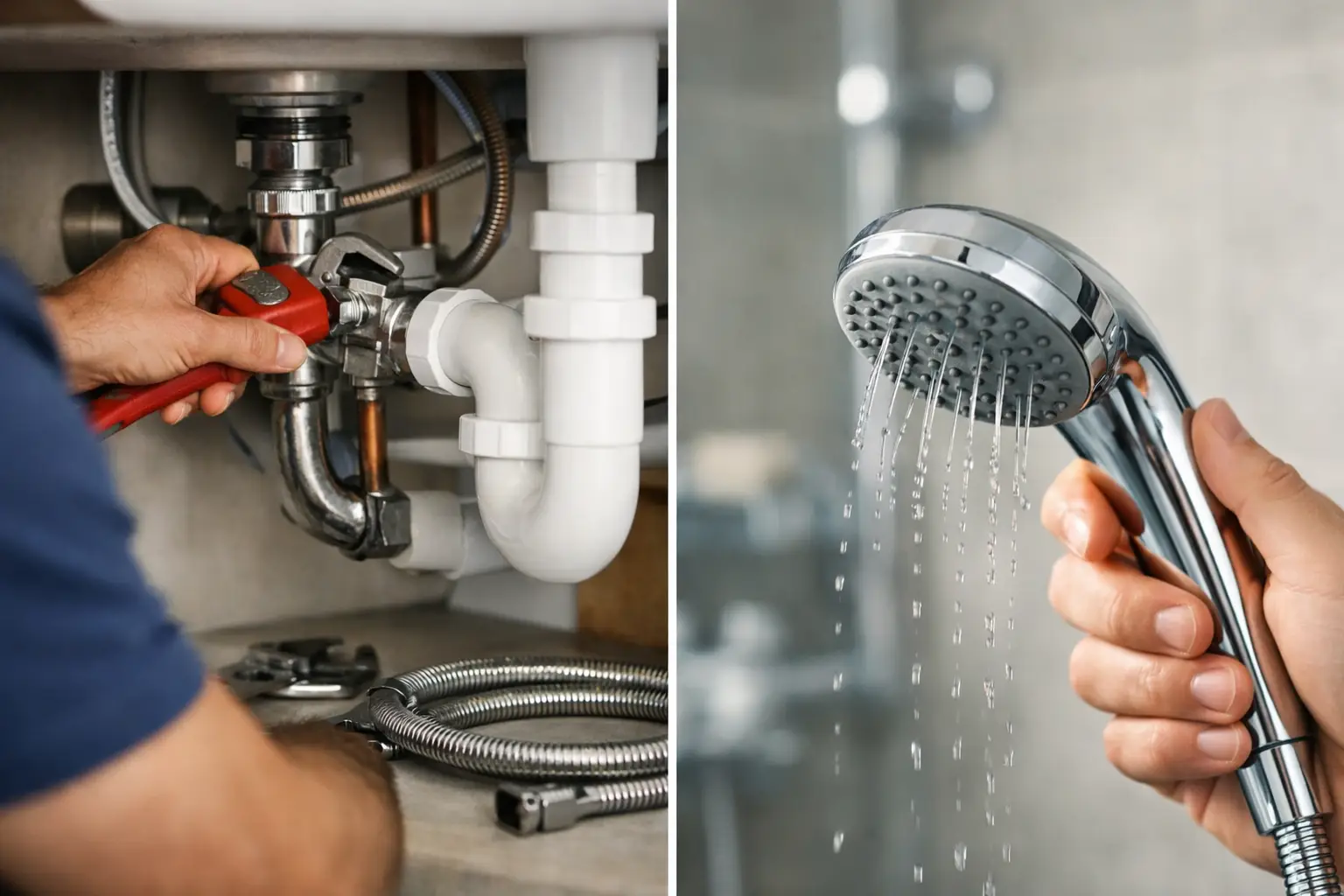
A renovation plumber should assess the existing plumbing, check whether your proposed layout is realistic, identify any drainage or pressure issues, and explain where costs may change if fixtures are moved. Once demolition is complete, they carry out the rough-in work for water and waste lines. After waterproofing and tiling, they return for fit-off, testing, and final installation of fixtures.
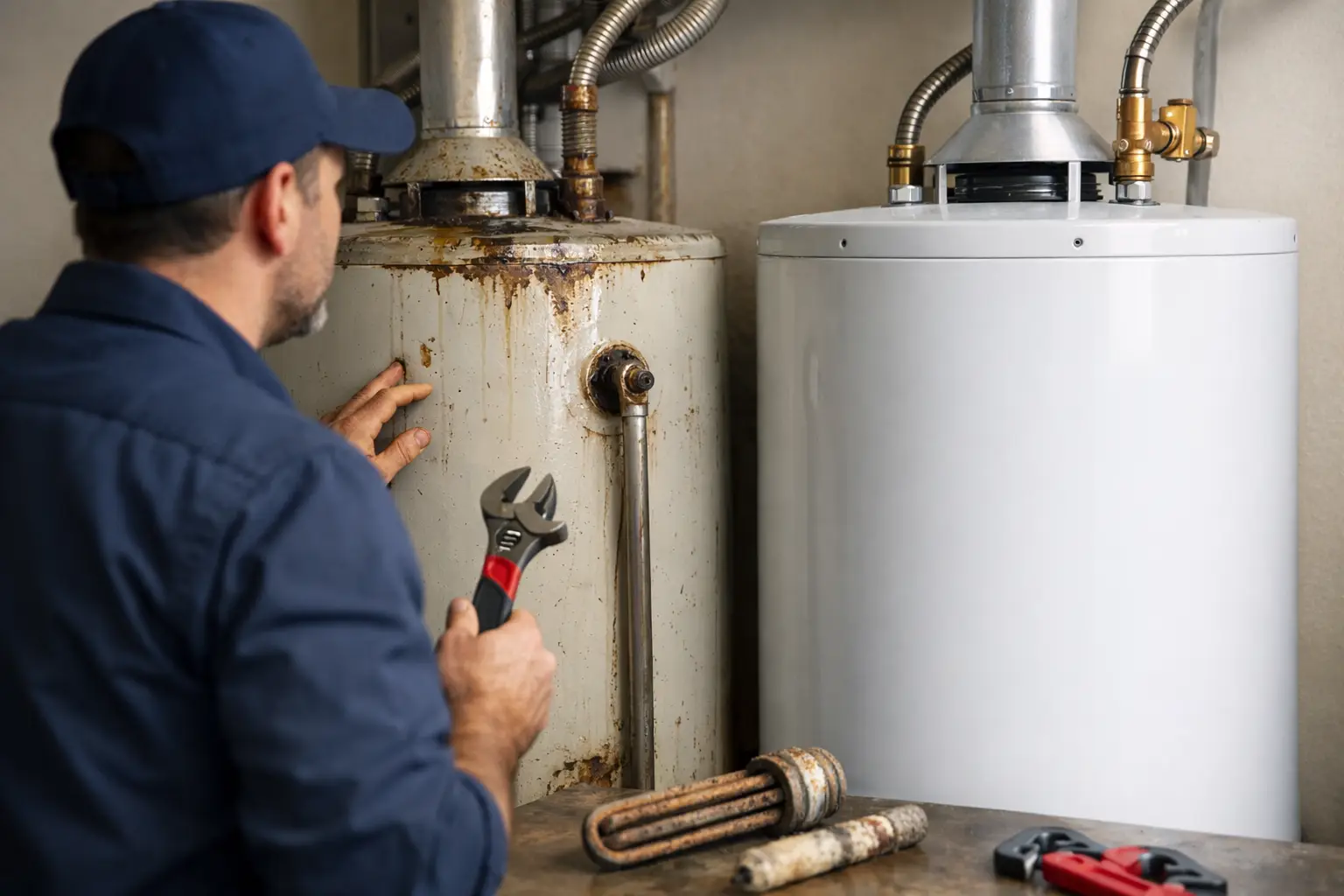
If the property is older, there may also be corroded pipework, non-compliant connections, or outdated drainage that needs attention before the new bathroom goes in. That is not always obvious from the surface. A clean-looking renovation can still hide old plumbing that should have been replaced while access was available.
The biggest cost factor is usually movement
If you want to keep renovation costs under control, the simplest advice is this – moving fixtures generally costs more than replacing them in the same location.
Keeping the toilet where it is often avoids major drainage changes. Keeping the shower on the same wall can reduce pipe relocation. Holding the vanity position can limit wall and floor work. That does not mean layout changes are a bad idea. Sometimes moving fixtures creates a much better bathroom. But it is worth knowing that every relocation has a knock-on effect.
This is where practical advice matters. A reliable plumber will tell you when a design choice is worth the extra work and when it may not deliver enough benefit for the cost. That kind of honesty saves money and avoids surprises.
Older Sydney homes need a closer look
Across Sydney, especially in older suburbs on the North Shore, Inner West, and parts of the CBD fringe, bathrooms are often renovated in homes with ageing infrastructure. Galvanised pipe, old copper, undersized drainage, and patchwork repairs are common.
In these properties, a renovation is a good time to fix more than just what is visible. If old pipework is already exposed, replacing it can be smarter than leaving it in place and risking leaks later. The cheapest quote is not always the cheapest result if it skips work that should have been done while the walls were open.
The same applies in units and strata properties. Bathroom plumbing may connect into shared systems, and access or approvals can affect timing. A plumber with renovation experience will flag those issues early rather than halfway through the build.
Timing matters more than most people expect
Bathroom renovations run on sequencing. Demolition happens first, then plumbing rough-in, then waterproofing, then tiling, then fit-off. If one stage is delayed, the whole job can stall.
That is why fast response and reliable scheduling matter, even on planned renovation work. You do not want to be chasing a tradie while your bathroom sits half-finished. You want someone who turns up when booked, works neatly with the builder or other trades, and keeps communication simple.
For busy households, landlords, and strata contacts, this is often just as important as price. A renovation that runs over by days can be inconvenient. A renovation that runs over by weeks becomes a real headache.
What to ask before you book
When comparing plumbers for renovation work, ask direct questions. Are they licensed and insured for the work? Have they handled bathroom renovations like yours before? Will they inspect the existing plumbing before quoting? What happens if they find old or damaged pipework once the bathroom is opened up?
You should also ask how they price variations. Renovations sometimes uncover hidden issues, especially in older homes. That is normal. What matters is whether the plumber explains those issues clearly and gives transparent pricing before extra work begins.
Good communication is a major green flag. If a plumber is hard to pin down before the job starts, that usually does not improve once your bathroom is out of action.
Bathroom renovation plumber Sydney projects and compliance
A bathroom renovation is not just about how it looks. It also needs to meet plumbing requirements, and in some cases there are additional considerations around waterproofing coordination, drainage falls, fixture installation, and petrol connections if other works are involved nearby.
The safest approach is to use a licensed plumber who understands local requirements and works properly with the rest of the renovation team. That protects the property owner and helps avoid defects that can become costly later, especially if water escapes behind walls or under flooring.
This is particularly important for landlords and strata managers. Poor plumbing work does not stay hidden forever. It usually becomes a leak complaint, a damaged ceiling, mould issue, or insurance problem.
Choosing value over the cheapest quote
Everybody wants a fair price. That is reasonable. But bathroom renovation plumbing is one of those areas where cheap can become expensive very quickly.
A lower quote may leave out investigation work, pipe upgrades, disposal, final testing, or the time needed to do the job properly. It may also assume no complications, which is optimistic in many Sydney properties. A better approach is to compare scope, not just cost.
Look for clear inclusions, realistic allowances, and a plumber who explains the job in plain language. Friendly service matters, but so does technical judgement. You want both.
Local experience makes a difference
A local plumber who regularly works across Sydney understands the types of homes, access challenges, and renovation issues that come up in different suburbs. They know that a compact terrace bathroom in Surry Hills has different constraints from a family home in Wahroonga or a unit in Chatswood.
That local experience helps with planning, quoting, and avoiding delays. It also tends to mean better accountability. When a business relies on repeat customers and referrals, they have a strong reason to get the work right the first time.
For homeowners who want straightforward advice and dependable service, that matters. If you are dealing with one bathroom in a busy house, or managing a rental that needs to be turned around quickly, you need a plumber who treats your time seriously.
When to get the plumber involved
Earlier is better. Do not wait until tiles are chosen and cabinetry is ordered before speaking to a plumber. A quick discussion at the planning stage can help confirm whether your layout makes sense, whether certain fixtures will work in the space, and where hidden plumbing costs may sit.
That early input often prevents design decisions that look good on paper but are awkward or expensive to install. It can also help avoid last-minute changes once demolition starts.
If you want practical advice on your renovation, speaking with an experienced local team such as JET Plumbing at https://jetplumbing.com.au/ can give you a clearer idea of what is possible, what is worth doing, and what to budget for.
A bathroom renovation should leave you with a room that looks sharp and works properly every day, not one that becomes a source of leaks, blockages, or call-backs. The right plumber helps make sure the finished result is not just new, but solid, compliant, and built to last.