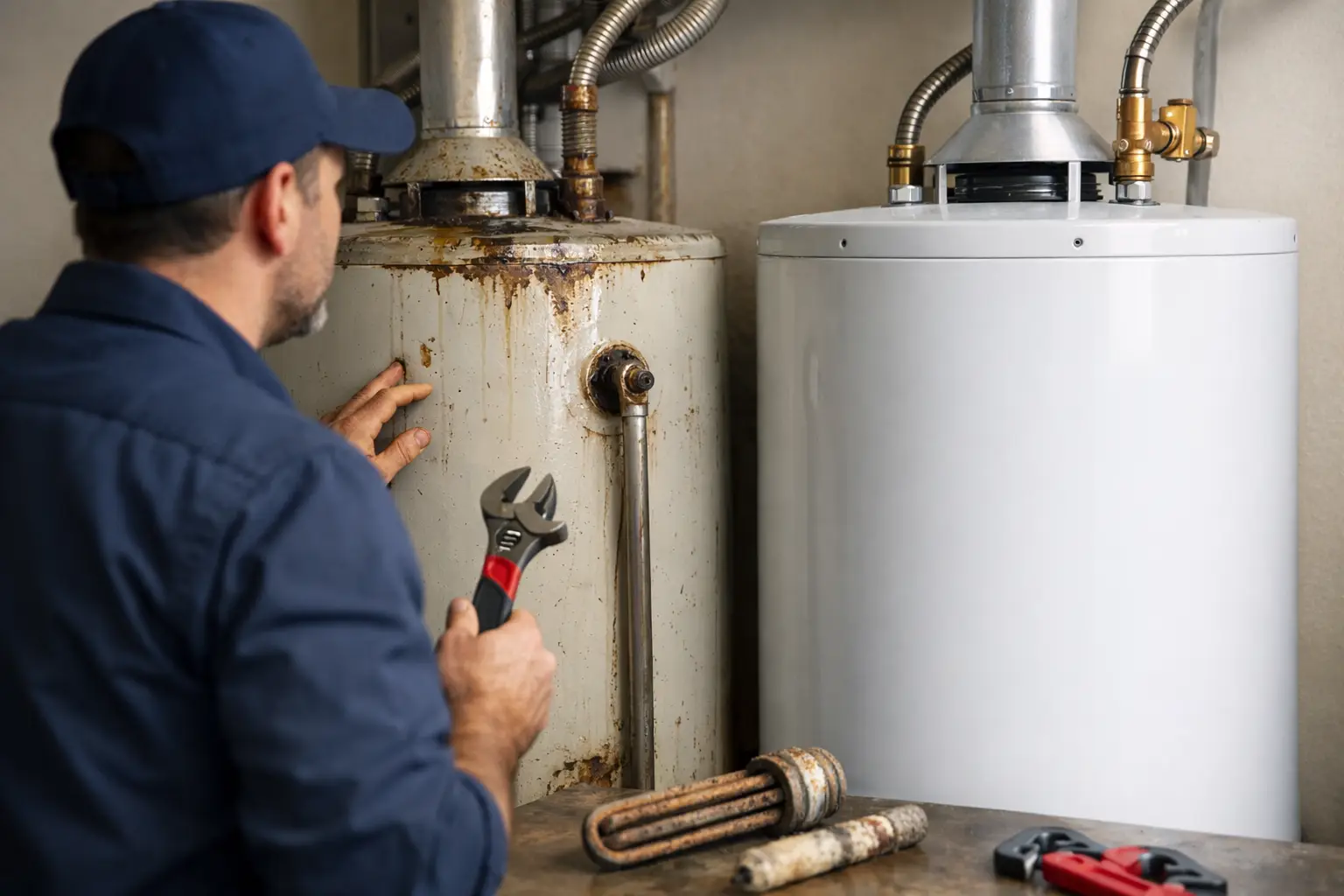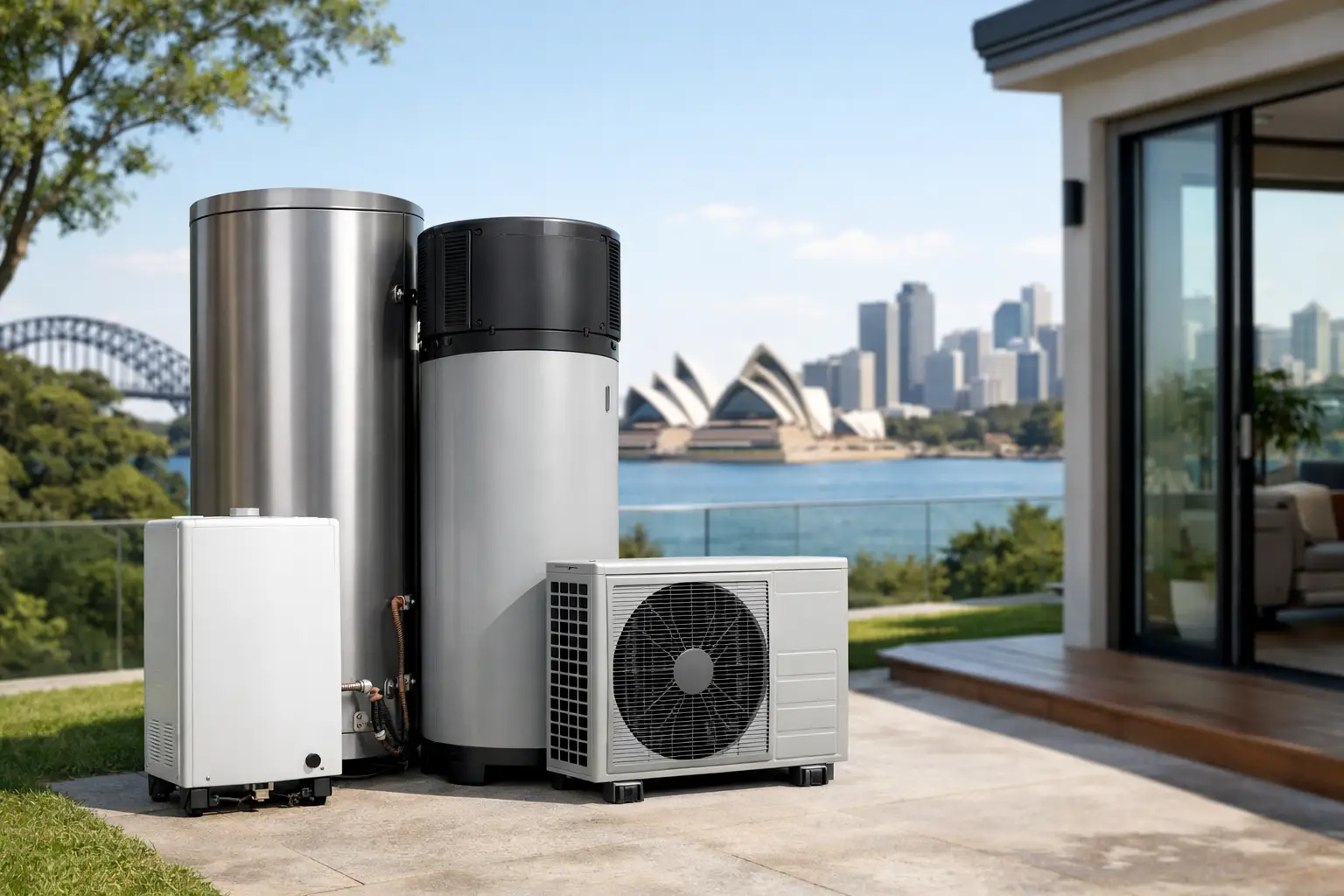
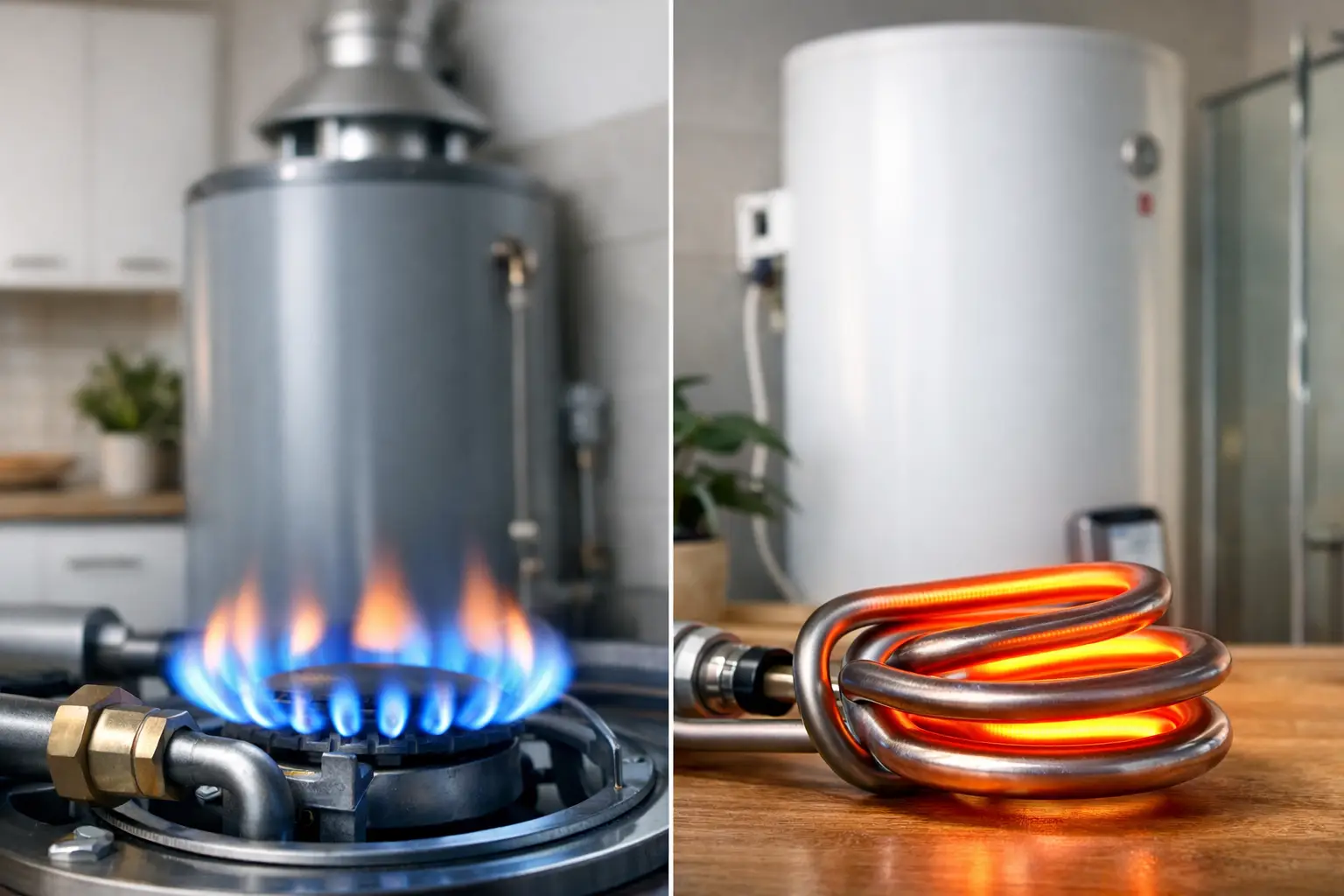
That cold shower usually lands at the worst possible time – before work, before school, or right before tenants are due to move in. When a system fails, the petrol vs electric hot water question stops being theoretical very quickly. For Sydney homeowners, landlords and small businesses, the better choice comes down to running costs, property setup, household demand and how quickly you need reliable hot water back.
Petrol vs electric hot water – what actually matters?
Most people start with price, which makes sense, but upfront cost is only one part of the decision. The better system is the one that suits your daily usage, your existing plumbing and energy setup, and the way the property is occupied.
If your household uses a lot of hot water across multiple bathrooms, petrol often appeals because it can recover quickly and keep up with higher demand. Electric systems can still be an excellent option, especially where petrol is not connected, installation needs to stay simple, or the property is smaller and usage is more predictable.
In Sydney, we also see plenty of decisions shaped by practical issues rather than preferences. Apartment restrictions, ageing petrol lines, switchboard capacity, flue requirements and available space all play a part. A system that looks cheaper on paper is not always the best value once installation and long-term use are taken into account.
Upfront cost versus running cost
This is where a lot of confusion starts. A standard electric storage hot water system is often cheaper to buy and install than a petrol equivalent. If the property is already set up for electric and the replacement is straightforward, that initial outlay can be quite appealing.
Petrol systems, especially continuous flow units, can cost more to install. There may be extra work involved with petrol compliance, ventilation, pipe sizing or relocating the unit. If the home does not already have natural petrol connected, the numbers can shift quickly.
Running cost is a different conversation. In many homes, petrol has traditionally been cheaper to run than standard electric storage, particularly for families who use a lot of hot water. But tariffs, supply charges and usage patterns matter. An electric system on an off-peak tariff may perform well for the right household, while a petrol system may still come out ahead where demand is high and spread throughout the day.
The smart way to look at it is total cost over time, not just the install price. A cheaper unit that struggles with demand or costs more to run every quarter can become the more expensive option.
Performance in busy households
If you have a full house, hot water recovery matters. That means how quickly the system reheats after it has been used.
Petrol storage and continuous flow systems are strong performers here. Continuous flow is particularly popular because it heats water as needed rather than storing a full tank of hot water all day. For larger families or homes with staggered showers in the morning and evening, that can be a real advantage.
Electric storage systems can work very well too, but sizing is critical. If the tank is too small for the household, you can run out of hot water and wait for it to recover. That is frustrating in a family home and even more of a headache in a rental property, where complaints tend to come quickly.
For smaller households, studios, granny flats or lower-usage commercial spaces, electric can make perfect sense. If demand is modest, the gap in performance may not matter much at all.
Installation factors that change the answer
The best hot water system is not chosen in a vacuum. It has to suit the property.
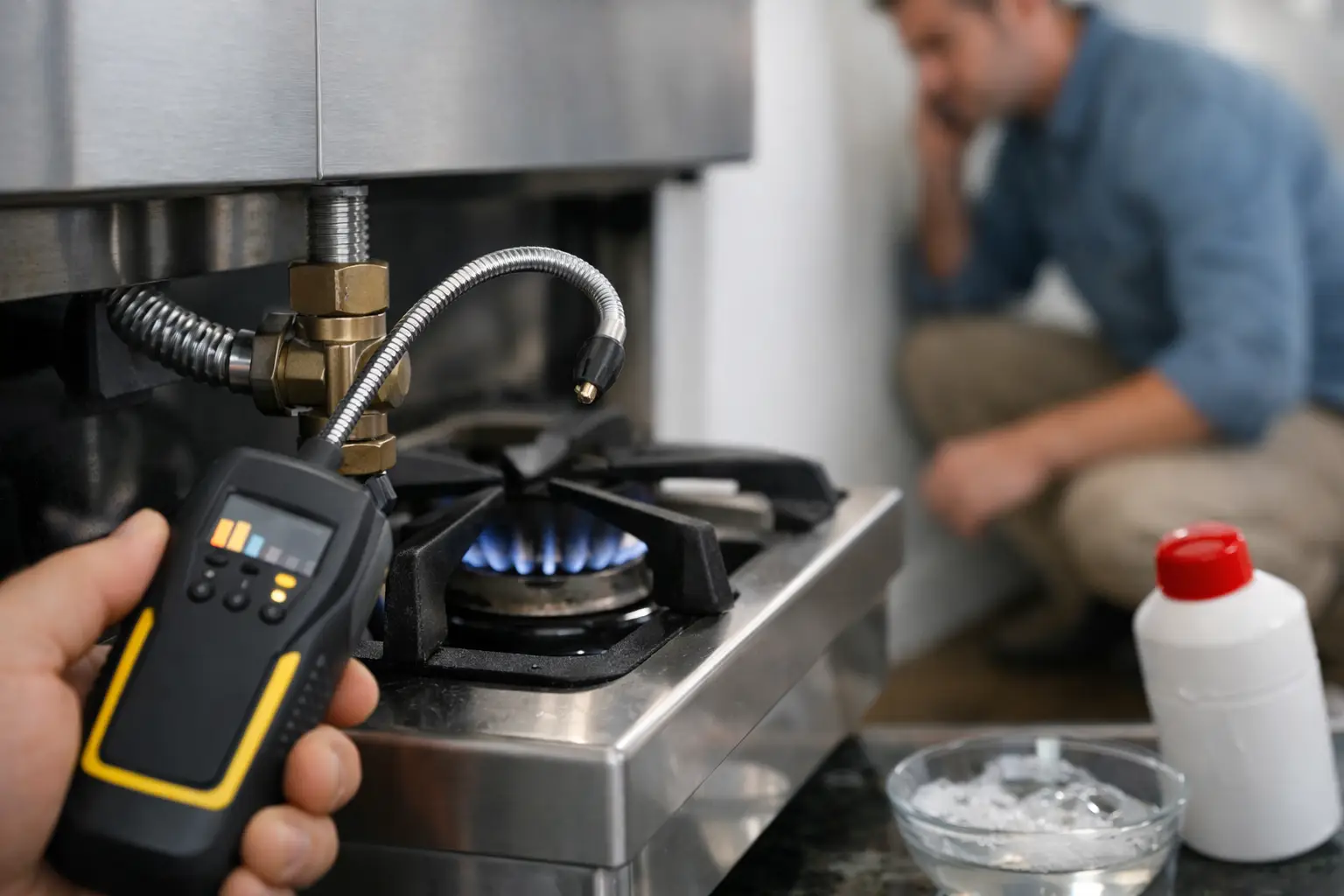
A petrol system may be a good fit if the site already has a compliant petrol connection and the location works for safe installation. If not, adding or upgrading petrol infrastructure can increase the job cost. You also need to consider access, flueing, ventilation and unit placement.
Electric systems are often simpler to replace, but not always. Older properties can have switchboard limitations or wiring issues that need attention before a new system is installed safely. In some buildings, available space and access points also influence whether a storage tank or a more compact unit is practical.
That is why two neighbours with similar homes can end up with different recommendations. The visible unit is only part of the story. What sits behind the wall, under the house or at the meter can determine what makes the most sense.
Petrol vs electric hot water for landlords and strata
Landlords usually want three things – reliable performance, sensible running costs and fewer call-backs. Strata managers tend to add one more requirement: a system that suits the building’s rules and services.
For rental properties, electric storage can be attractive because replacement is often straightforward and initial cost can be lower. But if the property houses a family and hot water demand is high, choosing a system purely on install price can backfire.
Petrol continuous flow units are often appreciated in rentals because tenants are less likely to run out of hot water. That can mean fewer complaints, especially in homes with multiple occupants. On the other hand, if the building has no petrol service or installation is complicated, electric may still be the cleaner and more cost-effective path.
In strata buildings, approvals and infrastructure can limit options. Not every apartment can easily switch from electric to petrol, or the other way around. This is where practical advice matters more than generic online comparisons.
What about repairs and lifespan?
No one wants to replace a hot water system earlier than necessary. Lifespan depends on the unit type, water quality, maintenance and installation quality.
Electric storage systems are generally simpler in design, and some faults can be relatively straightforward to diagnose and repair. Heating elements and thermostats are common wear items. Petrol systems have their own maintenance points, including burners, ignition components and valves.
Neither option is automatically better on reliability. A properly installed, correctly sized system from a reputable brand will usually outperform a poor installation, regardless of fuel type. That is one reason licensed installation matters so much. It is not just about compliance. It is about getting a system that works properly under real household conditions.
If your current unit is ageing and repairs are becoming frequent, replacement is often the better financial decision. Throwing money at a failing tank can be false economy, especially when leaks or inconsistent heating start to appear.
Which option suits Sydney homes best?
There is no one-size-fits-all answer, but there are some clear patterns.
Petrol hot water often suits larger homes, busy families and properties with existing petrol infrastructure. It can be a strong choice where fast recovery and steady supply are priorities.
Electric hot water often suits smaller households, properties without petrol, apartments, and owners who want a simpler replacement with lower upfront cost. It can also work well where usage is predictable and the system is sized properly.
For many Sydney properties, the real question is not whether petrol or electric is better in general. It is which one is better for this home, this layout and this level of hot water use.
When replacing like-for-like makes sense
Sometimes the most practical option is to replace the failed unit with the same type. If the property is already set up well for petrol and the old system performed properly for years, a new petrol unit may be the obvious choice. The same applies to electric.
Like-for-like replacement can reduce labour, avoid extra upgrade costs and get hot water restored faster. That matters when you are dealing with a breakdown rather than planning a renovation months in advance.
Still, this is also the right time to reassess if your needs have changed. A growing family, renovated bathroom, converted laundry or new tenancy arrangement can all shift the demand profile.
The right system is the one that fits your property
Online comparisons can be helpful, but they cannot inspect your petrol line, test your electrical capacity or see how many people are using the showers each morning. That is where tailored advice saves money and hassle.
A good plumber will look at usage, property layout, existing services, installation constraints and budget before recommending a system. That advice should be clear, honest and practical – not a push toward the most expensive option.
If you are weighing up petrol vs electric hot water in Sydney, the best next step is to treat it like a property decision, not just a product decision. Get the setup right, and your hot water system quietly does its job for years. Get it wrong, and you will feel it every day.