If your hot water has started running cold halfway through a shower, making odd noises, or leaking around the base, replacement is usually closer than you think. This hot water system installation guide is built for Sydney homeowners, landlords, strata managers and small businesses who want clear advice before booking the job.
A new hot water system is not just about swapping one unit for another. The right setup depends on your property, your hot water usage, your energy source and where the unit is going to sit. Get those basics right and the system should run reliably for years. Get them wrong and you can end up paying more upfront, more on running costs, or more again to fix an installation that was never suited to the site.
What this hot water system installation guide covers
Most people only deal with hot water replacement once or twice in a long stretch, so it makes sense to start with the practical questions. What type of system do you actually need, how long does installation take, what affects the cost, and when does a quick replacement turn into a bigger plumbing job?
For homes and commercial properties across Sydney, the answer is usually tied to usage patterns. A family home in Wahroonga with multiple bathrooms has different demands to a unit in Chatswood or a café in Surry Hills. That is why a proper assessment matters before any recommendation is made.
Choosing the right system for your property
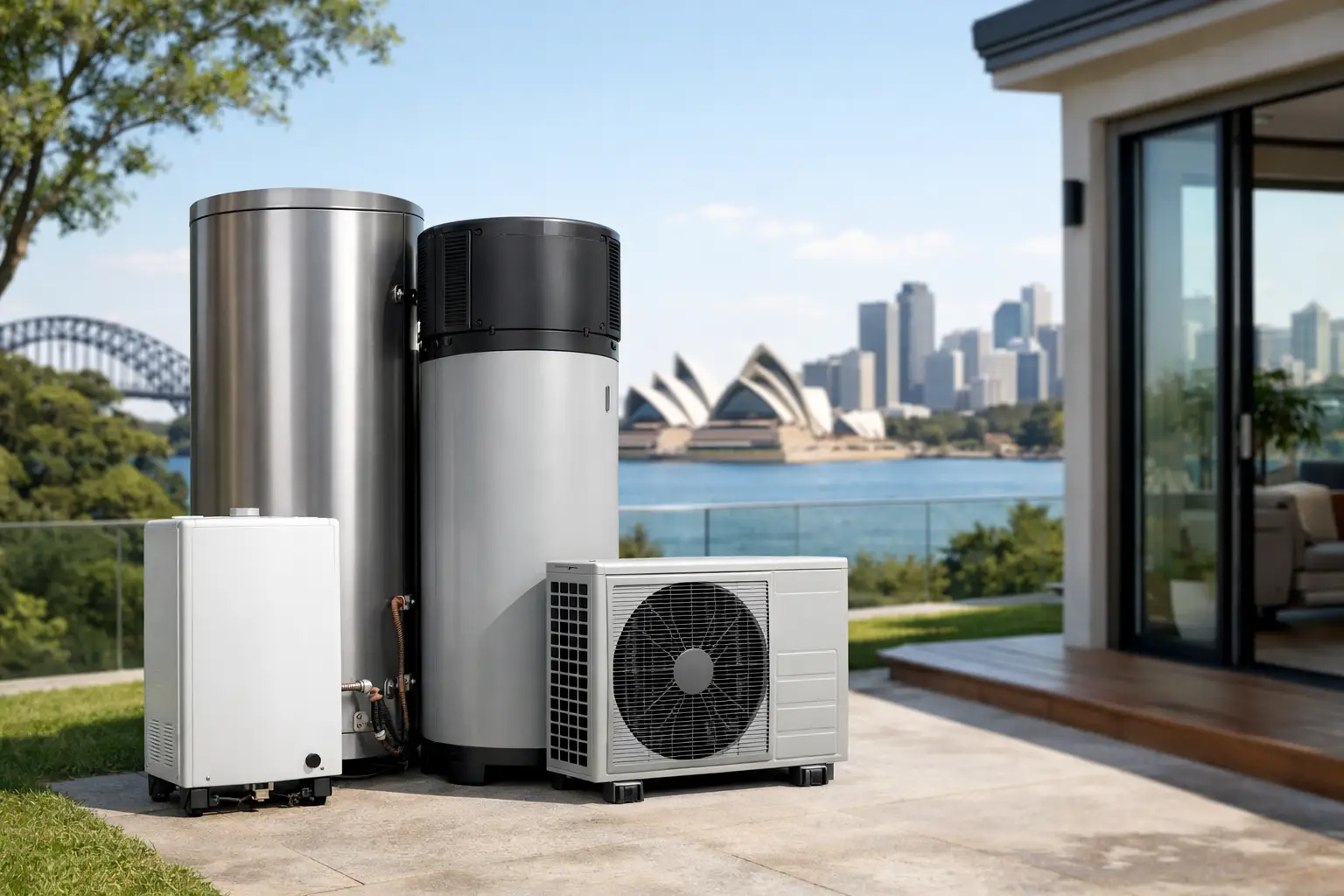
The biggest decision is usually between electric, petrol, heat pump and continuous flow systems. Each has its place, and there is no single best option for every property.
Electric storage systems are often chosen because they are familiar and straightforward to replace. If you already have one in place, changeover can sometimes be more direct. The trade-off is running cost. For many properties, electric storage can cost more over time, especially in larger households with higher hot water demand.
Petrol storage and continuous flow systems are popular where natural petrol is available. Continuous flow is a strong option when you want hot water on demand without storing a full tank. It can save space and avoid the issue of running out after several showers. On the other hand, the installation may involve petrol upgrades, flue requirements or changes to pipework, so it is not always the cheapest path at the start.
Heat pump systems are getting more attention because they can be more energy efficient. They suit some homes very well, particularly where owners are thinking longer term about bills and efficiency. But they do need the right location, enough ventilation and realistic expectations around noise and performance in different conditions.
The best choice usually comes down to four things – household size, available services, physical space and budget. A licensed plumber can talk you through those factors without overcomplicating it.
Site conditions matter more than most people expect
Two properties can have the same old hot water unit and still need very different installation work. That is because access, compliance, drainage, valve placement, pressure conditions and pipe condition all affect the job.
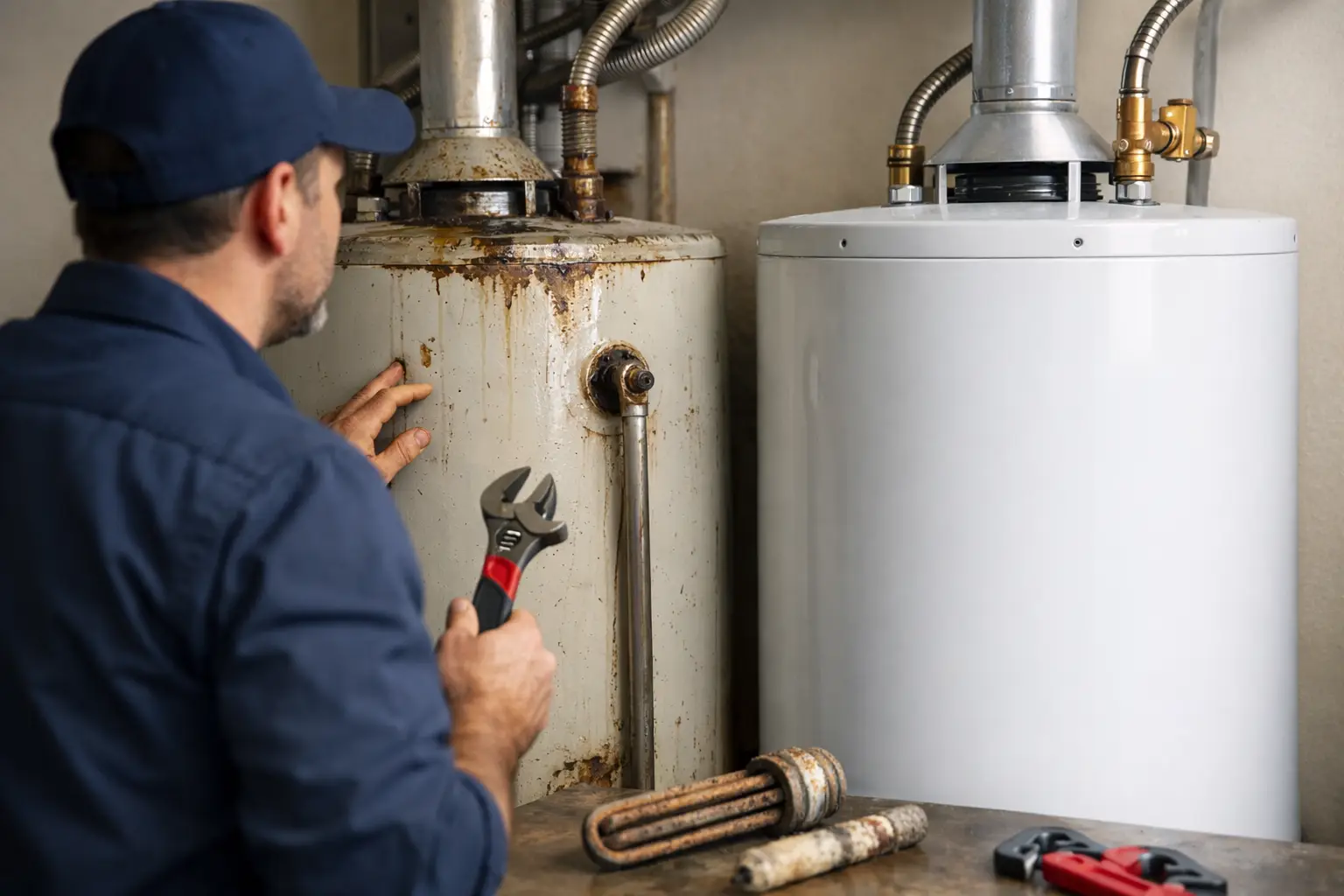
For example, replacing a ground-level external unit in a freestanding home is often simpler than dealing with a tight plant area in a strata building or an ageing internal cupboard system in an older terrace. If the existing pipework is corroded, undersized or non-compliant, that needs to be addressed during installation rather than ignored.
Sydney properties are a mixed bag. In the North Shore alone, you can move from newer homes with straightforward service access to older properties where previous plumbing work has been patched over for years. That is one reason quoting purely off a photo can be risky. Sometimes it works, sometimes it misses what is really going on behind the unit.
How hot water installation usually works
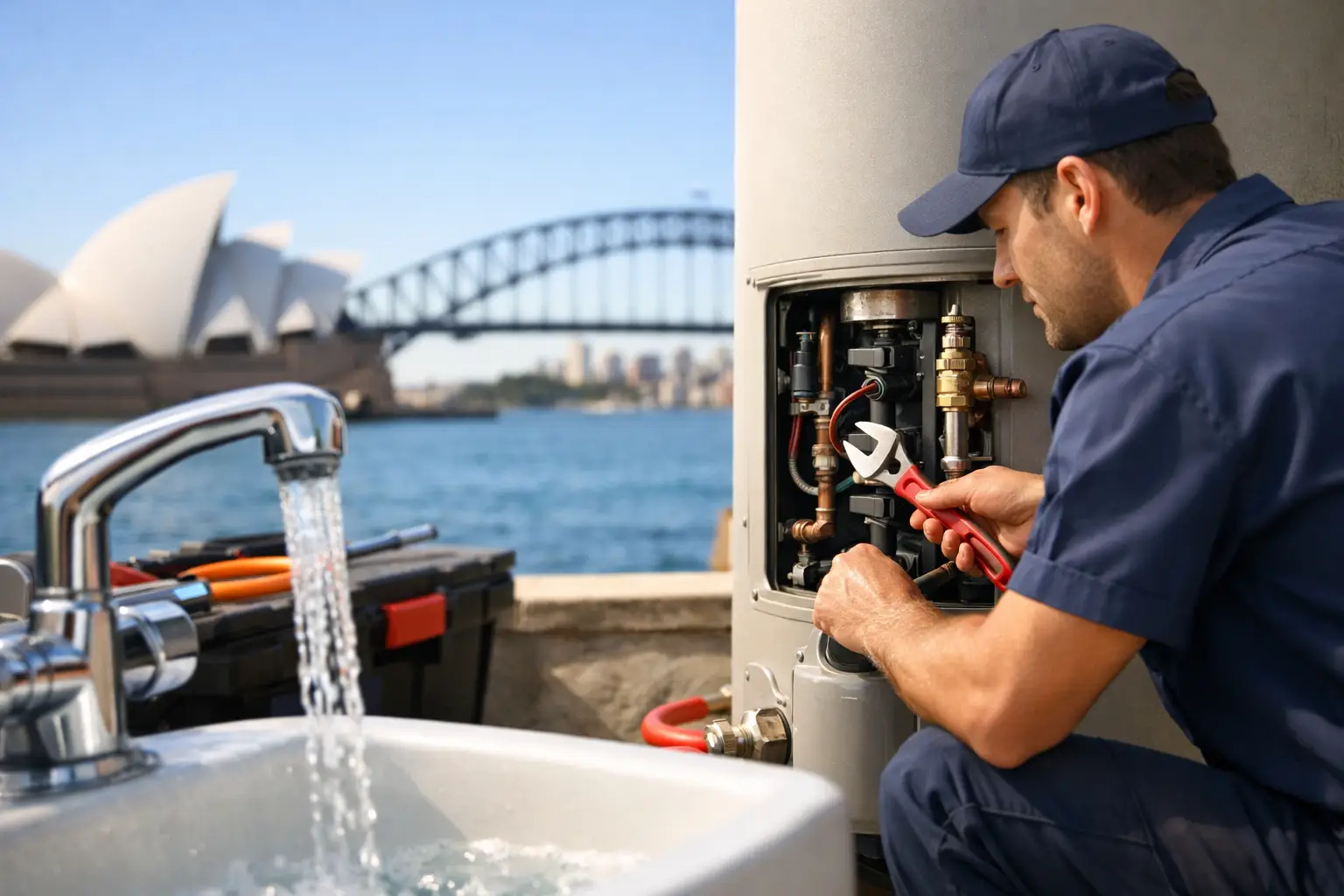
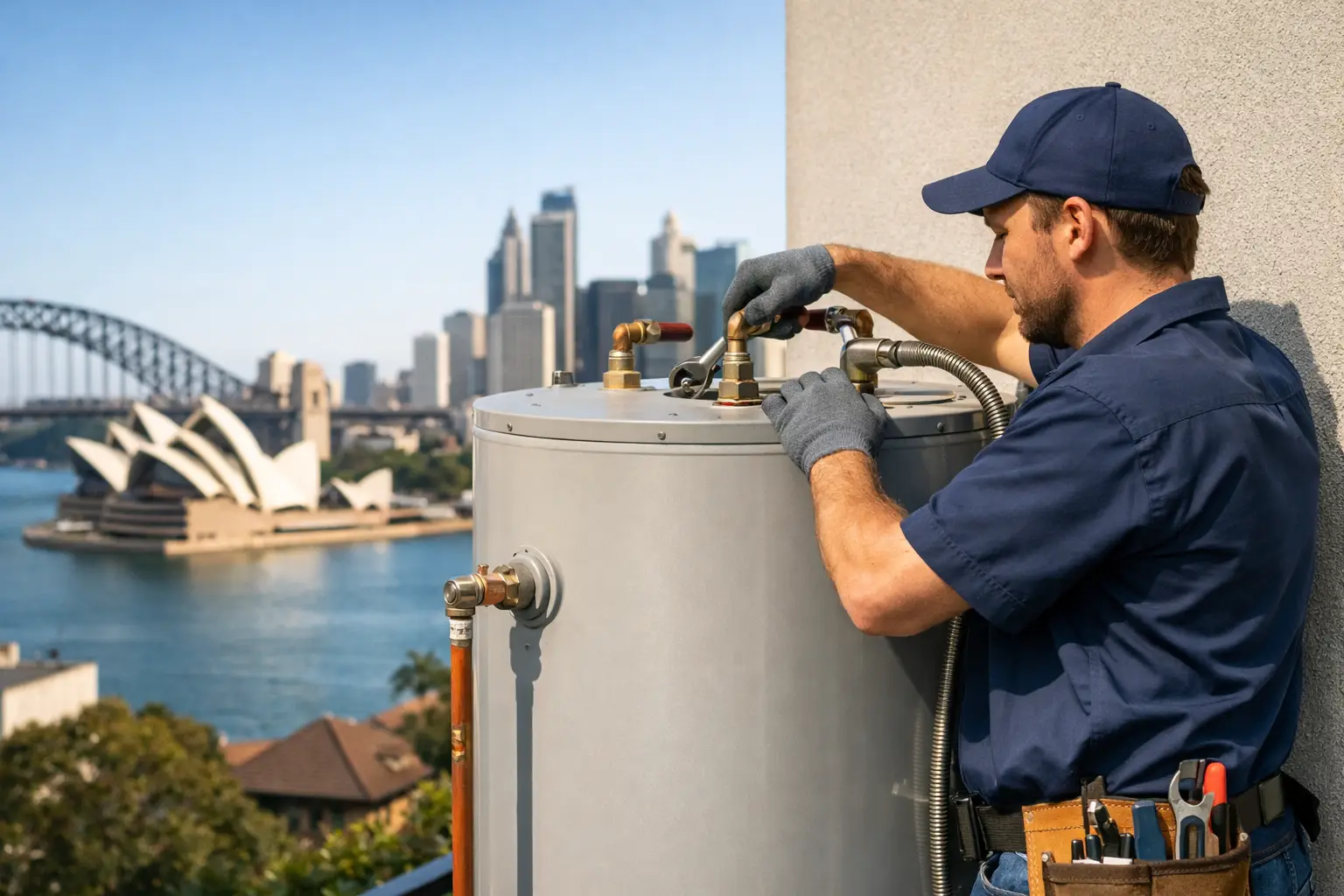
A standard replacement starts with identifying the existing system, checking the property’s services and confirming the right capacity for current demand. From there, the old unit is isolated, drained and removed. The new system is positioned, connected, tested and commissioned, with valves and safety components fitted as required.
If it is a like-for-like replacement, the process can be relatively efficient. If you are changing from electric to petrol, moving the unit, upgrading to continuous flow, or dealing with failed pipework, the job can take longer and cost more.
A good installer will also explain any operational differences before they leave. That might include recovery time on a storage system, how to adjust the temperature safely, or what to expect from a tempering valve setup.
Costs and what can change the quote
Everyone wants a straight answer on price, but hot water installation is one of those jobs where the detail matters. System brand and size are obvious cost factors, but they are only part of it.
The full price can also be affected by access difficulties, electrical or petrol compliance work, additional pipework, new valves, disposal of the old unit, emergency callout timing and whether there is any damage around the existing location. If the old system has been leaking for a while, there may be issues with surrounding materials that need attention as well.
This is why honest pricing matters. A low quote that leaves out essential compliance work is not really a low quote. It is just a problem pushed down the road. For landlords and strata managers especially, doing the job properly the first time usually saves money and complaints later.
Safety and compliance are not optional
Hot water systems involve pressure, temperature, water supply and often electricity or petrol. Installation is not a DIY job, and it is not something to hand over to an unlicensed operator trying to undercut the market.
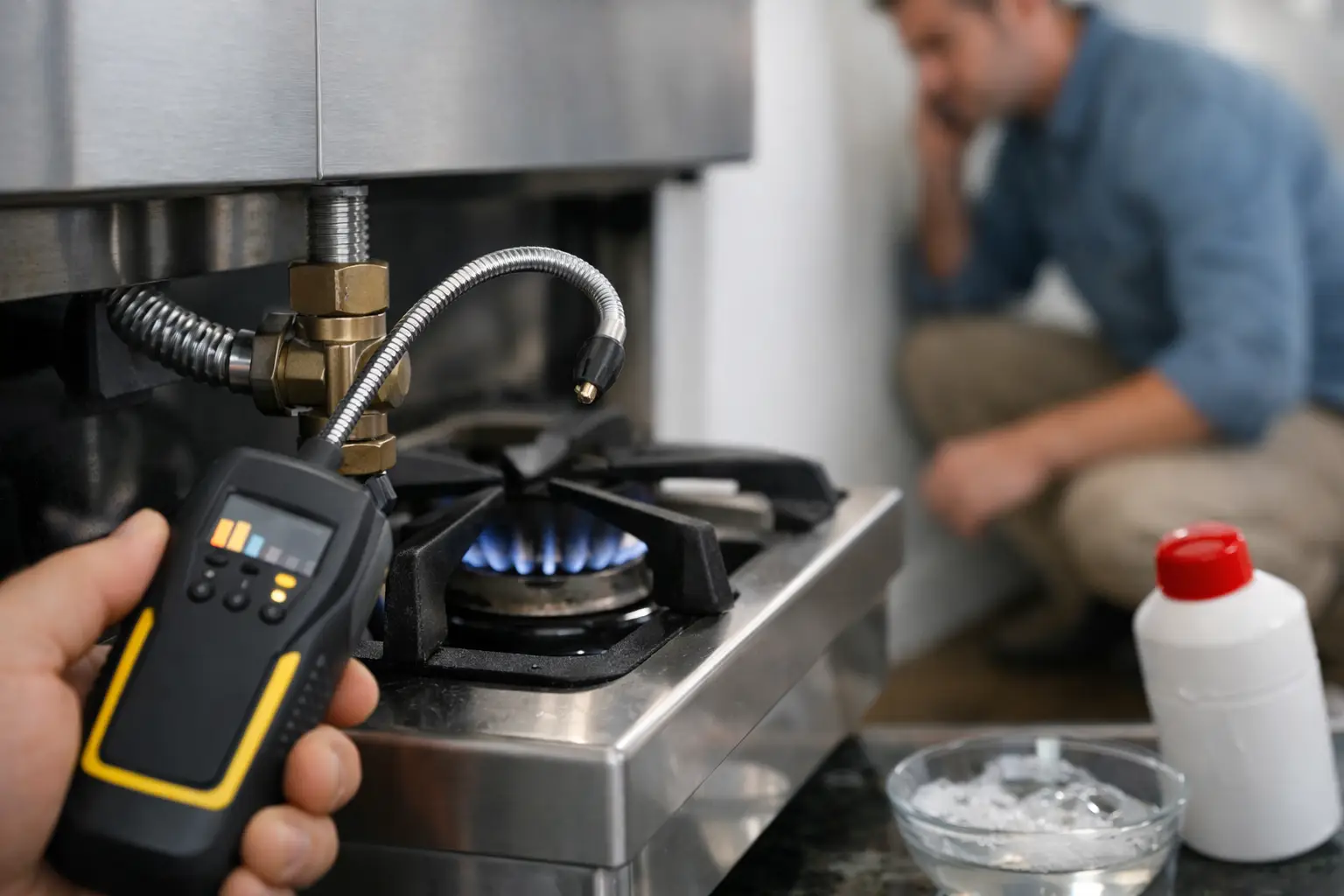
A compliant installation includes the right valves, correct pipework arrangements, safe temperature control and proper connection to existing services. In some cases, upgrades are required because older systems were installed under different standards or because shortcuts were taken years ago.
This is where choosing a licensed and insured plumber makes a real difference. You want someone who can spot problems early, explain what actually needs doing, and stand behind the workmanship after the install is complete.
When replacement is better than repair
Not every hot water problem means a full replacement. A failed thermostat, valve issue or pilot problem can sometimes be repaired cost-effectively. But if the tank is leaking, the unit is ageing, parts are becoming unreliable, or breakdowns are happening more often, replacement is usually the smarter move.
That is especially true if your current system was never properly sized. A small tank in a busy household will keep causing frustration even if it is repaired. Likewise, an oversized system in a low-use property may be costing more to run than it should.
A practical hot water system installation guide should say this plainly – repair versus replacement depends on age, condition, safety and running cost, not just the immediate fault.
Planning ahead can save a lot of stress
Most people call about hot water when they have already lost it. That is understandable, but planned replacement is usually easier than emergency replacement. You get more time to compare options, choose a suitable system and book installation at a convenient time.
For commercial sites, strata properties and rental homes, that planning matters even more. Downtime affects tenants, customers and daily operations. A proactive replacement plan can prevent after-hours emergencies and reduce the chance of water damage from a failed unit.
If your current system is nearing the end of its expected life, making enquiries early is worthwhile. A fast response is important, but a well-matched system is what keeps the problem from coming back.
What to ask before you book
Before approving installation, ask what size and type of system is being recommended and why. Ask whether the quote includes removal of the old unit, required valves, compliance work, testing and warranty details. It is also worth asking whether there are any likely site issues that could affect the final cost.
Clear communication is part of the service. You should not have to chase basic answers or guess what is included. If you are speaking with a local plumber who handles hot water work regularly, they should be able to explain the process in plain language and give you confidence that the job will be done properly.
For Sydney properties, local experience helps. Access conditions, older plumbing layouts and suburb-specific property types can all affect installation. A plumber who works across the North Shore and surrounding areas will generally have a better feel for what to expect on site.
When your hot water system fails, speed matters. But so does getting the right advice from the start. If you want a system that suits your property, your usage and your budget, it is worth speaking to a licensed local plumber who can assess the job properly and get it sorted without the runaround.