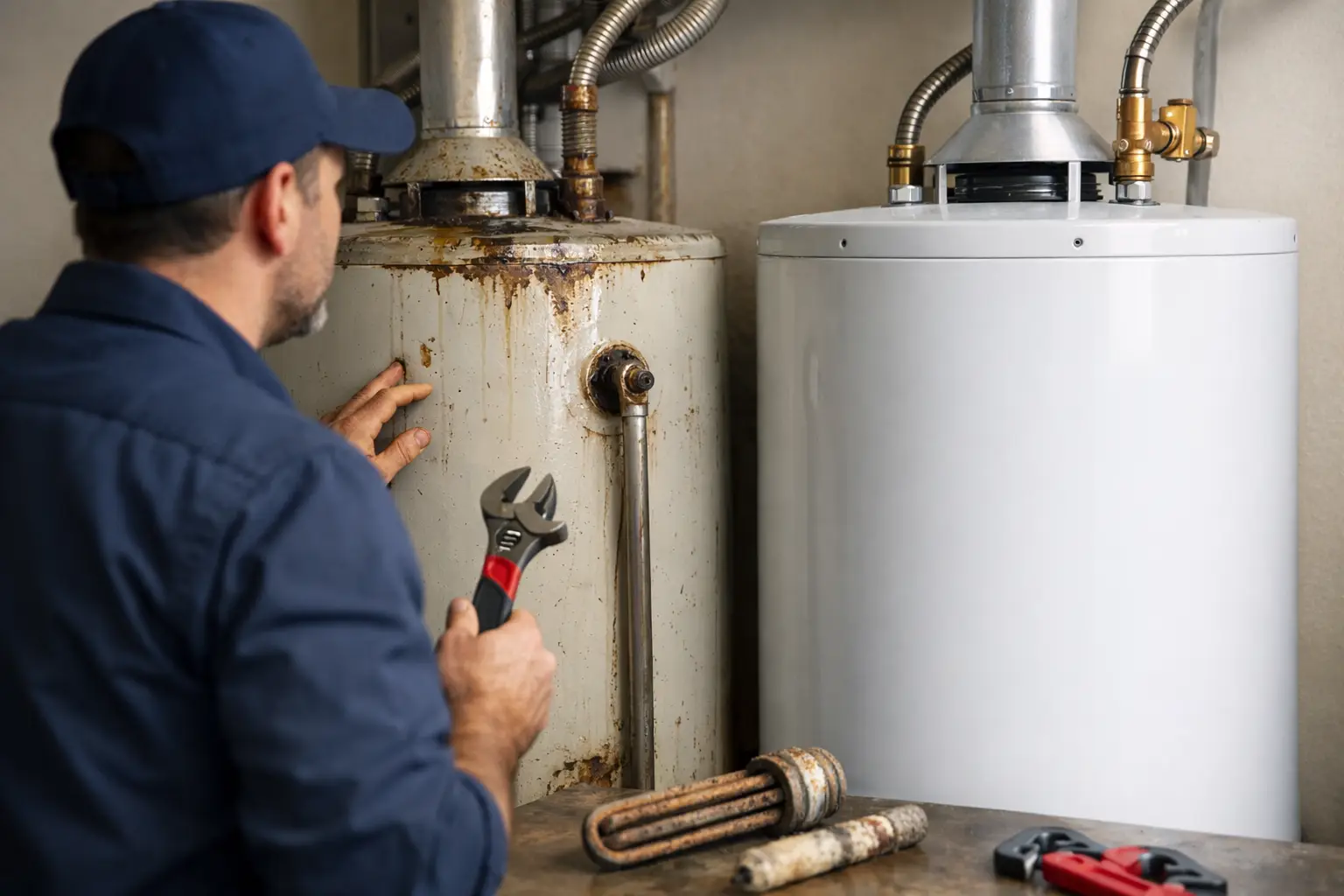
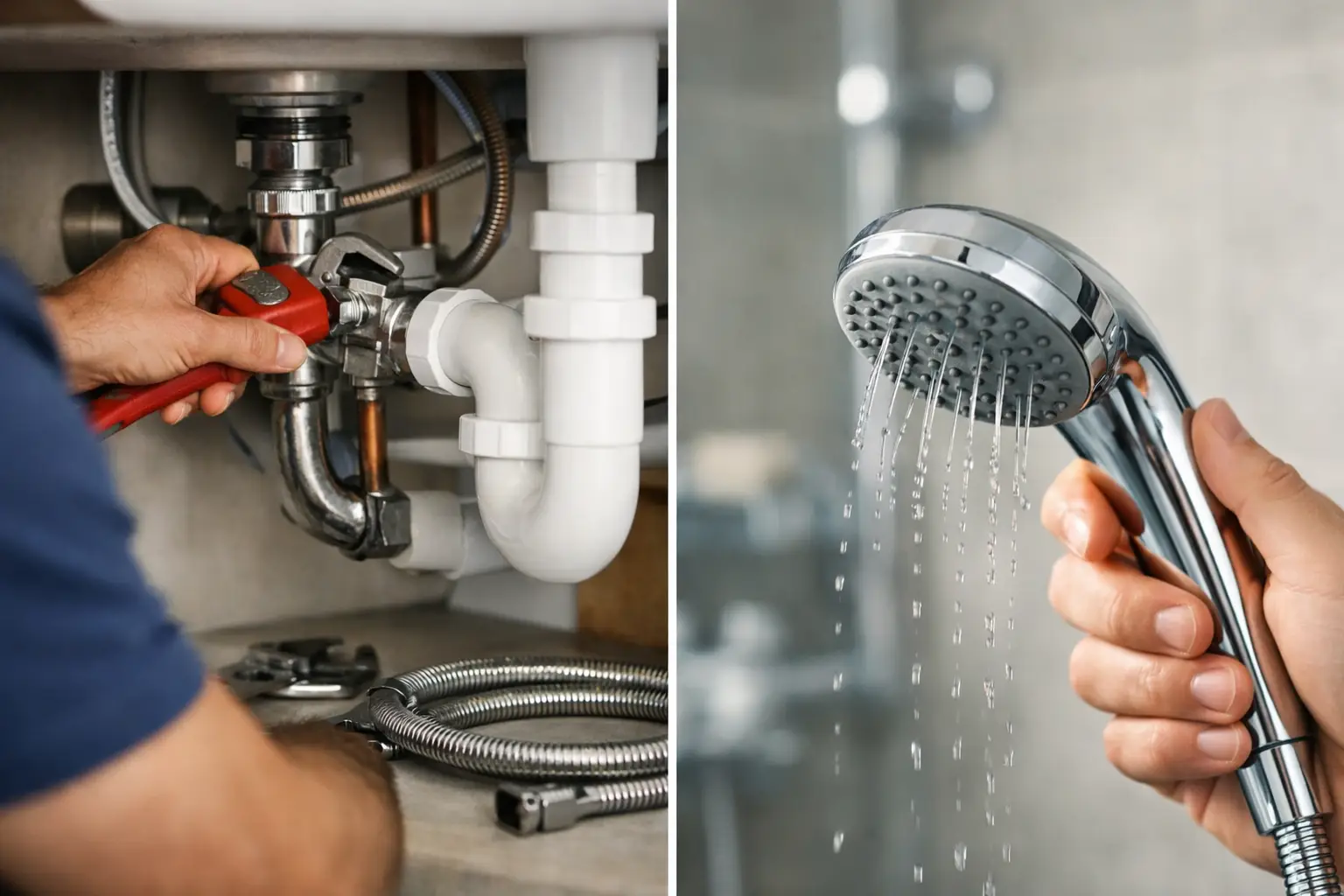
A blocked drain usually shows up at the worst possible time – before work, during a dinner rush, or right as tenants call with a complaint. If you’re searching for how to fix blocked drains, the first thing to know is this: some blockages are simple, but others are a sign of a bigger plumbing problem that will not go away with supermarket products and guesswork.
The trick is knowing what you can safely try yourself and when it is smarter to stop before you make the job messier or more expensive. For homeowners, landlords, strata managers and business operators across Sydney, that difference matters.
How to fix blocked drains without making it worse
Start by working out what type of drain is blocked. A bathroom basin that drains slowly is very different from a gurgling toilet, an overflowing gully, or wastewater backing up outside. The location tells you a lot about whether the blockage is localised or sitting deeper in the line.
If only one fixture is affected, such as a single shower or sink, the blockage is often close to the waste opening. Hair, soap residue, food scraps and grease are common causes. If multiple fixtures are slow or backing up at once, especially on the same level of the property, the issue may be in the main drain or sewer line. That is usually not a DIY job.
Before you do anything, avoid tipping more chemicals down the drain. Chemical cleaners can damage older pipework, create fumes, and make it harder and less safe for a plumber to work on the line later. They also rarely solve a solid blockage properly.
The safest DIY options to try first
For a blocked basin, shower or laundry waste, remove whatever you can see near the opening. In bathrooms, that is often hair and soap build-up. In kitchens, it may be food waste or congealed grease sitting near the trap. Gloves help, and so does a torch.
Next, try hot water – but use common sense. Boiling water can crack some fittings or affect certain pipe materials, so very hot tap water is the safer option in many homes. This can help loosen soap scum and light grease, particularly in kitchen or laundry lines. It will not clear tree roots, collapsed pipes or a heavy blockage further down.
A plunger is still one of the better basic tools when used properly. Create a good seal over the waste, add enough water to cover the rubber cup, and use steady pressure rather than wild force. A few strong plunges can shift a soft blockage. If nothing changes after several attempts, keep going only if the water level is improving. If not, stop there.
For some sinks, especially under the kitchen or laundry, the trap can be removed and cleaned. Put a bucket underneath first. This is often where grease, sludge or debris collects. If you are confident, this can be a straightforward clean-out. If the fittings are old, stiff or already leaking, it is better not to force them.
What not to do when drains are blocked
This is where many small plumbing issues turn into bigger repair bills. Pushing a coat hanger, random rod or makeshift tool into the drain can compact the blockage further or damage the pipe. It might feel productive, but it often creates more trouble than it solves.
The same goes for repeatedly using chemical drain cleaners. They can sit in the pipe without fully clearing the obstruction, especially if the line is already holding water. That leaves harsh chemicals trapped in the system and increases the risk during later repairs.
Toilets need extra caution. If the bowl is rising quickly after a flush, do not keep flushing to see if it clears itself. Turn off the water at the isolation tap if needed and stop using nearby fixtures until you know whether the blockage is local or affecting the sewer line.
Signs the blockage is deeper in the system
Some blocked drains are not really about what went down the sink this week. In Sydney, deeper drainage issues are often linked to tree root intrusion, pipe misalignment, broken earthenware lines, or years of gradual build-up in older systems.
If you notice foul smells outside, water pooling near a gully, gurgling sounds from several fixtures, or sewage backing up into a shower or floor waste, that points to a more serious problem. Commercial sites and strata buildings can also see repeated blockages when the system is undersized, poorly graded or carrying more load than it was designed for.
This is also why the same drain blocking again after a quick DIY clear is worth taking seriously. You may have shifted part of the obstruction, but not fixed the cause.
How plumbers fix blocked drains properly
When basic steps do not work, professional drain clearing is usually faster and more reliable than trial and error. A licensed plumber will usually start by identifying where the blockage sits and what is causing it. That matters because the best solution for grease is not the same as the best solution for roots or a collapsed section of pipe.
Electric drain machines can break through some obstructions, but high-pressure water jetting is often the better long-term option. It clears built-up debris from the pipe walls rather than just punching a hole through the middle. For stubborn or recurring blockages, a CCTV drain camera inspection helps confirm whether the issue is build-up, roots, damage or something more structural.
That camera work can save time and money because it stops the guessing. Instead of throwing products and repeat call-outs at the same problem, you get a clear view of what is actually happening underground.
How to fix blocked drains in kitchens, bathrooms and outside areas
Different areas tend to block for different reasons. Kitchen drains usually suffer from grease, oils, coffee grounds and food scraps. Even homes that are careful can end up with a slow build-up over time. Scraping plates into the bin and keeping fats out of the sink helps more than most people realise.
Bathroom drains are usually about hair, soap and personal care products. Slow drainage often starts gradually, so it gets ignored until the shower is ankle-deep. Cleaning strainers regularly and dealing with slow flow early can prevent a full blockage.
Outdoor drains are a different story. Leaves, silt, stormwater debris and tree roots can all play a role. If an external drain overflows during rain, the problem may be in the stormwater line rather than the sewer. That distinction matters because the repair approach is different.
When to call a plumber straight away
If sewage is backing up, the toilet will not clear, water is overflowing indoors, or multiple drains are blocked at once, it is time to call a professional. The same applies if you suspect roots, pipe damage or a blockage affecting a commercial premises, rental property or strata building where delays can quickly impact other people.
Speed matters with drainage issues. Water damage, hygiene risks and business disruption can all escalate quickly. A fast response from a licensed local plumber is usually the cheapest path once the problem moves beyond a simple trap clean or plunger job.
For Sydney properties, older homes in established suburbs often need more than a surface-level fix. If a blockage keeps returning, getting the drain assessed properly is the sensible move. A company like JET Plumbing can clear the line, identify the cause and explain the next step in plain English, without overcomplicating the job.
Preventing the next blockage
Drain maintenance is rarely exciting, but it is easier than dealing with an overflow on a busy morning. Use sink strainers where practical, keep grease and wipes out of the system, and pay attention to slow drainage before it becomes a full backup.
For landlords and strata managers, recurring drain issues are worth documenting rather than treating as isolated incidents. Patterns matter. Repeated problems in the same line often point to a structural issue or a maintenance need that should be addressed properly.
If you are working out how to fix blocked drains, the honest answer is that it depends on the cause, the location and how long the problem has been building. Some jobs respond to a simple clean-out. Others need proper equipment and a trained eye. The smart move is not doing everything yourself. It is knowing when a quick fix is enough, and when getting it sorted properly will save you time, stress and a bigger bill later.
A blocked drain does not need to ruin your day, but leaving it too long often does.